Written By Lucien Drake
San Francisco’s Bottom of the Hill has been saved from permanent closure after longtime concertgoer Michele Bronson purchased the legendary independent music venue. After 35 years of unforgettable performances, the little club that helped shape generations of musicians is getting another chance.
Bottom of the Hill: One More Song, One More Chance
There’s something particularly heartbreaking about losing a small music venue.
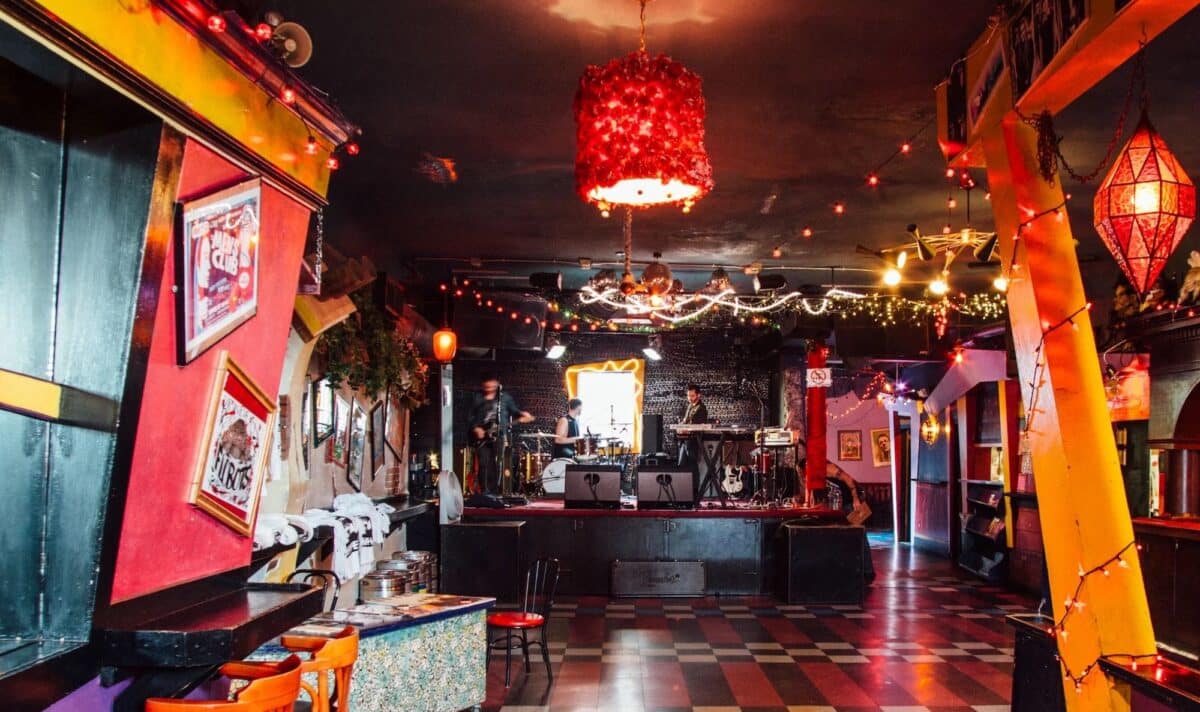
Not an enormous arena with luxury suites and $18 beers. I’m talking about the places where the ceiling is low, the stage is barely big enough for the drum kit, and you’re close enough to the musicians to see the sweat running down their faces.
The places where you discover your next favorite band completely by accident. San Francisco’s Bottom of the Hill is one of those places.
For 35 years, this unassuming little club in the city’s Potrero Hill neighborhood has hosted everyone from unknown local musicians to bands that eventually conquered the world.
Green Day played there. Oasis played there. The White Stripes, the Strokes, Alanis Morissette, the Yeah Yeah Yeahs, and countless others passed through its doors.
And earlier this year, it looked as though those doors would close for good. But somebody decided the music wasn’t finished.
Thirty-Five Years of Rock History Inside One Little Club
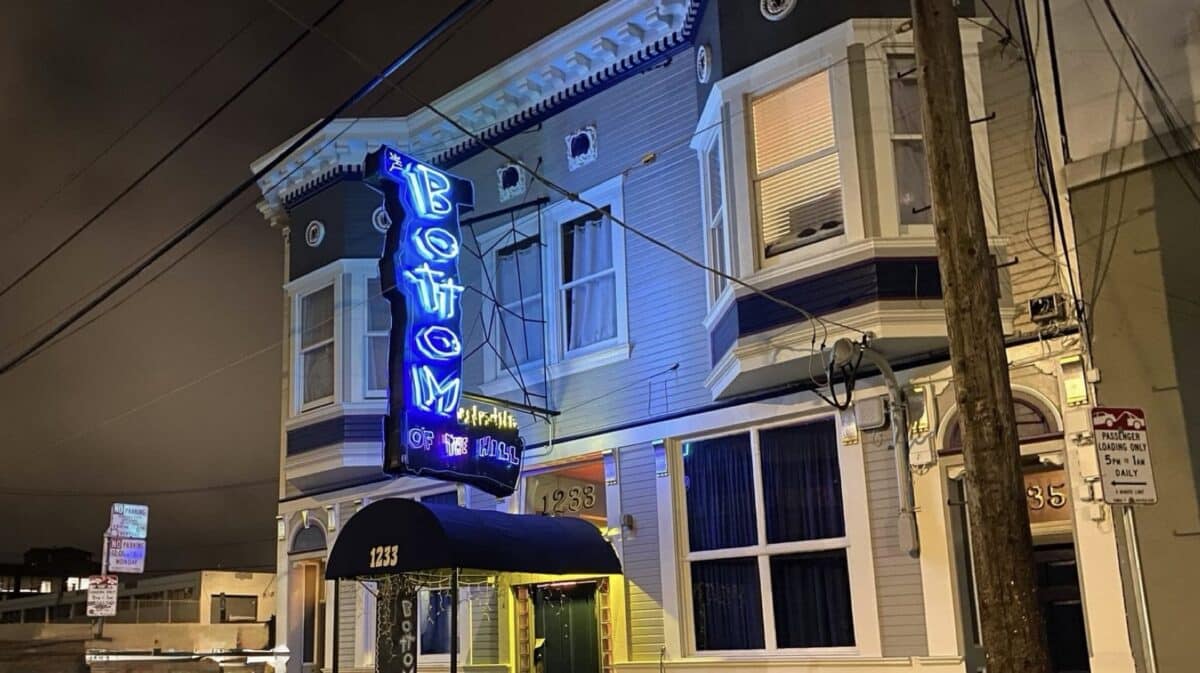
Bottom of the Hill opened in 1991 at 1233 17th Street, tucked into a neighborhood far removed from the major entertainment districts.
With a capacity of approximately 247 people, it became one of San Francisco’s most beloved independent music venues.
You didn’t need a platinum record, a massive following, or a wealthy promoter to find your way onto its stage.
You needed a band, some songs, and somewhere to play them. And what a collection of bands eventually came through.
On September 26, 1994, Oasis played their first San Francisco show at Bottom of the Hill, with the Brian Jonestown Massacre opening.
Imagine being one of the people standing in that tiny room, watching a British rock band that would soon be filling enormous venues around the world.
In 1996, the Beastie Boys attempted a secret appearance under the name Quasar. Word spread, the crowd grew, and the situation reportedly came dangerously close to a riot.
Then, in 1998, Green Day returned to the club for an MTV Live at the 10 Spot performance. Think about that for a moment.
These weren’t just names printed on old concert posters. They were musicians standing on the same small stage where local bands were still getting their first opportunities. That’s the beauty of places like Bottom of the Hill.
A musician might be playing to 60 people on a Tuesday night, completely unaware that five years later, their songs could be heard by millions.
Every great band starts somewhere. Sometimes that somewhere is a little club at the bottom of a hill.
And don’t mistake Bottom of the Hill for some cozy little indie-rock hideaway. The place has hosted its share of serious sonic punishment.
Mastodon, High on Fire, the Melvins, Fu Manchu, and Deafheaven have all brought their particular brands of heavy music through its doors. Punk and hardcore weren’t exactly neglected, either. Bad Religion, AFI, No Use for a Name, and the Menzingers are among the bands that have played the club.
Queens of the Stone Age were there in 1998, back when Josh Homme’s new project was still finding its footing following the breakup of Kyuss.
Imagine seeing some of these bands in a room holding fewer than 250 people. No giant LED screens. No barricade separating musicians from an ocean of fans. Just a stage, a wall of amplifiers, and the glorious possibility of permanent hearing damage. That’s the kind of history you can’t replace with a luxury condominium.
Before the Amplifiers: The 115-Year-Old Building That Refused to Die
Here’s something even cooler about Bottom of the Hill. The music venue is 35 years old. The building itself is 115.
Long before distorted guitars rattled its windows and before anyone dreamed of turning it into a San Francisco rock institution, this little two-story building was already serving drinks to the neighborhood.
Built in 1911 by G. Caragliri, the Classical Revival-style structure began its life as a saloon, complete with living quarters upstairs.
Picture San Francisco in those days. The waterfront was alive with industrial activity, workers filled the surrounding streets, and neighborhood saloons were places where people gathered after long shifts to eat, drink, argue, laugh, and forget about work for a while.
Then came Prohibition. The building has been associated with a possible speakeasy during the 1920s, although that chapter remains unconfirmed. By the 1930s, it had reportedly housed a soda fountain.
In 1964, the Seventeenth Street Restaurant adopted the name Bottom of the Hill, advertising Italian food and banquet facilities. Decades before anyone was buying tickets to see a punk band, people were coming through these doors for dinner.
Then, in 1991, the building found its loudest calling. Amplifiers replaced the quieter entertainment, independent bands moved onto the stage, and a neighborhood establishment became one of America’s great little rock clubs.
Think about everything this place has witnessed. Two world wars. Prohibition. The Great Depression. Generations of neighborhood change. The birth of rock and roll, punk, and alternative music. The rise and fall of countless bands. And somehow, through all of it, the building kept welcoming people inside.
San Francisco’s own historic preservation records recognize the structure as a surviving example of an early twentieth-century saloon. That history raises an interesting question: Shouldn’t a building with this much architectural and cultural heritage receive permanent landmark protection?
Historical recognition doesn’t necessarily guarantee that a building can never be demolished. But Bottom of the Hill certainly has a compelling story worth preserving.
And perhaps the loveliest part of this entire rescue is that the longtime owners decided to keep the historic building rather than sell it off to someone who might eventually tear it down.
Instead, they’re entrusting the music venue to someone who understands what it means.
One hundred and fifteen years of history, and the old girl still has plenty of songs left in her.
When the Owners Announced the End, San Francisco Took It Personally
In January 2026, longtime owners Kathleen Owen, Ramona Downey, and Lynn Schwarz announced that Bottom of the Hill would close at the end of the year. After decades of keeping the music alive, they were ready to move on.
Running an independent venue had become increasingly difficult. The pandemic had left financial wounds, operating expenses continued to climb, and maintaining a small club in one of America’s most expensive cities wasn’t getting easier. There were personal reasons, too.
Thirty-five years is a long time to spend booking bands, managing employees, handling equipment problems, and dealing with everything else that happens behind the scenes of a live music venue.
Eventually, even the people who love it most experience burnout. The announcement hit San Francisco’s music community hard.
Fans began sharing memories. Musicians talked about the shows that had changed their lives. People who hadn’t visited in years suddenly remembered exactly what the place meant to them.
Some touring agents even suggested they might stop booking San Francisco dates if Bottom of the Hill disappeared.
Then something extraordinary happened. People started showing up. Bands organized special performances. Concerts sold out. Messages of appreciation poured in.
The owners had expected to spend their final year saying goodbye. Instead, they discovered just how deeply their little club had become woven into people’s lives.
The Woman Who Came to the Shows Decided to Save the Venue
Enter Michele Bronson. She’s not a music industry executive arriving with a corporate blueprint on how to transform the building into another polished entertainment destination.
Bronson comes from the biotechnology industry and she’s also been attending concerts at Bottom of the Hill since the early 1990s.
According to reporting by COYOTE Media Collective, Bronson attends approximately 60 concerts a year, not counting festivals.
This is a woman who genuinely loves live music. When she learned that Bottom of the Hill was closing, she decided to do something about it.
Bronson approached the owners about purchasing the business, ultimately emerging from a field of nearly 40 interested parties.
After months of discussions and negotiations, the deal was announced on October 22. Bottom of the Hill had been saved.
And here’s an especially important detail. The original owners aren’t selling the building.
Owen and Downey will retain ownership of the 115-year-old property, while Bronson takes over the operating business under a new lease beginning in January 2027.
That decision helps protect the venue’s future as a music club rather than leaving its fate entirely in the hands of property developers.
Because let’s face it, the world isn’t exactly suffering from a shortage of expensive apartments.
What it is losing, at an alarming rate, is affordable space where independent musicians can perform.
The Best Part? She Doesn’t Want to Ruin What Made It Special
Whenever someone new takes over a beloved music venue, there’s always that uncomfortable question. What’s going to change?
Will ticket prices skyrocket? Will the local bands get pushed aside for more profitable touring acts? Will everything that made the place special get replaced by something expensive, sterile, and thoroughly forgettable? Bronson seems determined to avoid that.
Her plans include preserving the club’s independent booking philosophy, supporting emerging artists, and maintaining its tradition of allowing bands to keep all the money they make from merchandise sales.
That last detail might sound small to someone outside the music business but it’s huge!
For independent musicians, merchandise revenue can make all the difference between getting home with enough money for groceries and losing money on the tour.
Bronson also hopes to retain the venue’s existing employees, many of whom have been part of the place for years.
There will be some changes. Following the final New Year’s Eve show, Bottom of the Hill will temporarily close for at least a month while improvements are made to the kitchen and bar. The website and ticketing system are also expected to receive updates.
But the intention isn’t to reinvent Bottom of the Hill. It’s to let Bottom of the Hill remain Bottom of the Hill and in today’s music industry, that almost qualifies as revolutionary.
One Final New Year’s Eve Before the Next Chapter
The original ownership team isn’t disappearing without a proper send-off. Bottom of the Hill has planned a week of farewell performances during the final days of December 2026.
Local Bay Area musicians will take the stage on December 26 and 27, followed by Man or Astro-Man? and the Subsonics on December 28 and 29.
Shannon Shaw will perform on December 30 and New Year’s Eve, closing out the original owners’ remarkable 35-year run.
What was supposed to be the venue’s funeral has become a resurrection. A celebration of everything the club has been, and everything it still has a chance to become.
Bottom of the Hill is expected to reopen in 2027 after its temporary closure, although a specific reopening date hasn’t been announced.
And if everything goes according to plan, another generation of musicians will get to make their own memories inside those walls.
You Can’t Replace a Music Scene Once You’ve Destroyed It
Here’s what gets lost whenever another independent venue closes. People tend to look at it as a real estate story or a business story.
A struggling operation couldn’t afford to continue. Someone sold the property. The neighborhood changed. That’s the explanation and it doesn’t tell you what actually disappeared.
A young band loses its first real stage. A local promoter loses a place willing to take chances. Musicians lose somewhere to experiment, make mistakes, and figure out who they are.
And audiences lose that wonderful possibility of walking into a room having no idea who they’re about to see, then walking out knowing they’ve discovered something extraordinary.
You cannot manufacture that kind of culture with a corporate sponsorship.
It takes time. It takes patience. It takes people who care more about keeping the music alive more than squeezing every possible dollar out of the room.
San Francisco has already lost too many independent spaces but this time, one survived. And it survived because of stong community who loved it and refused to treat its disappearance as inevitable.
The Final Word: Long Live Smaller Venues and Local Music Scenes
There’s something fitting about Bottom of the Hill being rescued by someone who spent years standing in its audience.
Michele Bronson wasn’t simply buying an investment. She was buying the chance to preserve a place that had been part of her own musical life.
The outgoing owners deserve enormous credit, too. They could have sold the property and walked away after 35 exhausting years.
Instead, they found someone who understood what they had built and arranged a transition intended to preserve it.
Someday a younger generation will walk into Bottom of the Hill in 2027 or 2028, hear something that completely changes their lives, and spends the next 30 years telling people about that night.
They may never know how close the place came to disappearing. They’ll just know the music hits different there.
Long live Bottom of the Hill, long live independent music and long live the little clubs that make the big bands possible.
About The Author:
Lucien Drake is a writer and archivist at Metal Lair, contributing across features, essays, cultural commentary, and long-form series including Deep Cuts, Road Riffs and editorial projects exploring music, memory, and resistance.
Known for treating heavy music as living history rather than nostalgia, Drake focuses on influence over canon, context over hype, and the stories that survive outside official timelines.
Read More From Lucien Drake:
AMON AMARTH – THE ALLFATHER AWAKENS REVIEW: THE OLD GODS STILL HAVE TEETH
Metal, Censorship , and The Old War That Never Ends
Sharon Osbourne Reveals Black Sabbath Never Knew How Sick Ozzy Was Before Final Concert
Judas Priest Ian Hill Retirement Ends 56-Year Era as Metal Legend Steps Away
Rock & Metal Website Directory: 192 Publications Worldwide

No algorithms. No fluff. No watered-down corporate metal coverage.
Subscribe to Metal Lair and get weekly underground features, Seven Deadly Songs, Deep Cuts, interviews, and original metal journalism sent directly to your inbox.

Join the patrons of Metal Lair
MetalLair.net is a metal zine muttering to itself about seo and blastbeats at 3 AM powered by caffeine, riffs, a severe lack of sleep, and a dog wondering why the human is still awake.
Sometimes it’s Kevin passing out mid Seven Deadly Songs.
Sometimes it’s digging up forgotten records no one else is talking about.
Always, it’s built for people who actually livethis music.
If that sounds like you, you’re already one of us.
Supporting Metal Lair means keeping it independent, loud, and real with no corporate filters, no watered-down takes. If you want to help keep it alive…
Become a patron of Metal Lair.