
Written By Lucien Drake
Released via Nuclear Blast; the fight begins in sound.
Every generation finds itself dragged into a fight it didn’t ask for. Para Bellum isn’t just Testament’s rallying cry, it’s a furious meditation on humanity’s messy relationship with its own creations, from technology to ideology.
Fourteen albums in, Testament has nothing left to prove and Para Bellum knows it. This isn’t a reinvention or a desperate grab for relevance; it’s the sound of a band unapologetically being themselves.
In an era obsessed with novelty, Testament doubles down on identity. Thrash riffage sharpened by decades in the trenches, lyrical fury that cuts straight to the bone, and the kind of songwriting that reminds you why they’re still here while so many of their peers have faded.
Call it “obligatory Testament” if you want but it’s the kind of obligation that forged a genre and still commands arenas. They don’t follow trends because they are the tradition.
Testament is absolutely leaning into classic Testament DNA with the riffs, the grit, the unapologetic thrash core but they’re also trying to stretch it around new shapes here and there.
“As the nights draw longer, we explored that slow seasonal decay in Where Doom Meets Autumn.”
There are black-metal shadows creeping into the edges, orchestrated strings swelling where you least expect them and a sharper, more modern production that keeps everything razor-tight. It’s less about “we’re changing everything” and more “we’re evolving inside our own skin.”
The Bay Area titans sharpen their blades once again, fusing rage, intelligence, and blistering craft into a record that roars across time. This Testament Para Bellum Album Review is a future Deep Cut in the making.
“Like what you’re reading? Check out our NSFW(ish) Metal Sex Playlist — the most sinful setlist in heavy music.” 😏
“For those who haven’t Googled this yet, Parabellum” is a Latin word that comes from the full phrase “si vis pacem, para bellum,” which means “if you want peace, prepare for war“.
Album Review
For the Love of Pain
We start off the Testament Para Bellum album review with track one. For The Love of Pain kicks the gates open like a war cry. Testament at full velocity and zero hesitation. There’s no slow buildup, no coy prelude, just a straight shot of sharpened thrash riffage and Chuck Billy’s battle-scarred roar tearing through the chaos. It’s the sound of a band that knows exactly who they are and isn’t here to negotiate.
What sets this opener apart isn’t just its aggression, it’s the control behind it. Every riff from Eric Peterson feels surgical, designed to slice and drag you deeper into the fray, while Alex Skolnick weaves lead lines that dance dangerously between precision and madness. Chris Dovas makes his presence felt immediately too, attacking the kit like he’s got something to prove and proving it in the first thirty seconds.
Lyrically, the track wrestles with torment as fuel. The idea that pain isn’t just suffering but a catalyst, a reason to rise and fight. It’s classic Testament subject matter: grim, defiant, and unflinchingly human. As an opening salvo, For the Love of Pain does exactly what it should, it sets the stakes high, grips you by the throat, and dares the rest of the album to keep up.
Infanticide A.I.
Infanticide A.I. is where Para Bellum sharpens its blade. It’s Testament at their most vicious. A sonic assault that blends their thrash roots with colder, blackened textures creeping in at the edges. The riffs here don’t just gallop, they hunt, stalking forward with mechanical precision, and Chris Dovas proves why his addition matters, driving the track with relentless, almost surgical drumming.
Lyrically, this is one of the record’s most disturbing and compelling pieces. It’s a reflection on humanity’s relationship with its own creations. Technology born from us but turning against us, devouring innocence without remorse. Chuck Billy snarls like an oracle warning us of what’s coming, his growls cutting through the mix with apocalyptic fury.
What’s striking is how seamlessly Testament fuse aggression with atmosphere here. The black-metal undercurrent Peterson hinted at seeps into the guitar work, adding a chilling edge that makes the whole thing feel more dystopian than ever before. It’s not just a song, it’s a manifesto of control gone rogue, a commentary on creation turned executioner.
Shadow People
Shadow People is the album’s lurking monster, not the fastest or loudest track, but the one that gets under your skin and stays there. The song slithers in like a specter you can’t quite see, slow, deliberate, and unsettling in all the best ways.
Testament trade speed for atmosphere here, building a groove so heavy it feels like it’s stalking you from the corners of the room. There’s menace in every note, like something ancient and hungry just stepped out of the dark.
Chuck Billy sounds feral, one moment a growling prophet, the next a ghost whispering damnation in your ear. The band leans hard into the tension. The guitars twist like iron gates, Dovas’ drumming moves with a predator’s patience, and Skolnick’s solo cuts through the gloom like a flash of steel in moonlight.
The animated video amplifies that sense of dread tenfold. Its stylized, noir-inspired visuals turn the track into a moving graphic novel, full of paranoia, shadowed figures, and the kind of creeping horror that feels more psychological than supernatural. Together, music and imagery make Shadow People the album’s most hypnotic and haunting moment. Proof that Testament don’t need to break the speed limit to leave a scar.
Meant To Be
Meant to Be is the unexpected inhale in Para Bellum’s storm. A rare moment where Testament let their guard down and reveal the human pulse beating beneath all that steel and venom. They don’t do ballads often, but when they do, it’s less a departure and more a reminder: even warriors have scars, and even thrash titans bleed.
The song opens tenderly, almost cautiously, with orchestrated strings weaving through the guitars. A surprising texture that softens the blow without dulling the edge. Chuck Billy trades his usual growl for something more vulnerable, his voice carrying weight not from volume but from honesty. There’s a weariness here, a lived-in ache, like the kind of reflection that only comes after years on the battlefield.
And just when you think they’re settling into quiet introspection, the song takes off erupting into a surge of soaring leads and pounding drums that refuse to wallow. It’s catharsis, not surrender. Testament aren’t trying to be tender for tenderness’ sake, they’re showing that even thrash can feel something deeply and still stand tall.
“Meant to Be” is the sound of a band aging with purpose, not fear. Willing to explore the corners of their sound they once avoided. It’s not just a standout track; it’s a statement: heavy doesn’t always mean loud, and strength sometimes whispers before it roars.
High Noon
High Noon rides into town like a classic Testament gunslinger with dusty boots, a steady trigger finger and a swagger that’s as familiar as it is formidable. Musically, it’s a straight-shooting thrash tune.
It’s a solid slab of thrash with a bit of that classic Testament gallop. But pair it with a dusty, gunpowder-stained story like that? Suddenly it’s not just a song, it’s a showdown, a whole myth playing out in four and a half minutes.
It’s a spaghetti western full of betrayal and bloodshed unfolding like thrash metal’s spiritual cousin. The song is lawless, raw and unforgiving. Suddenly that gallop isn’t just a riff; it’s a horse tearing down a dirt road.
It’s not about polished skyscrapers, it’s about dirt under the boots, whiskey on the bar, and no guarantee you’re walking away when the clock strikes noon.
Witch Hunt
Witch Hunt feels like Testament reaching back into the darker corners of human history and dragging them, screaming, into the present. This isn’t a song about broomsticks and fairy tales, it’s about the relentless cycle of scapegoating, fear, and mob mentality that’s plagued us for centuries and still thrives today. And they deliver that message with the subtlety of a battering ram.
The riff hits hard and jagged, all snarling menace and simmering paranoia. There’s a ritualistic rhythm to it, slow enough to feel ominous, heavy enough to crush. Chuck’s vocals shift between accusatory fury and bitter observation, like he’s both condemning the crowd and warning you not to become part of it. And beneath it all, the band is a tight, focused unit: Dovas drives the tension forward, DiGiorgio’s bass rumbles like distant thunder, and Skolnick and Peterson trade licks like dueling executioners.
Lyrically, it’s classic Testament – furious, intelligent, and unafraid to hold a mirror to humanity’s ugliest impulses. But musically, there’s an undercurrent of something more sinister here too. A creeping sense that the witch hunts of the past never really ended. They just traded torches for screens and stakes for status updates.
“Witch Hunt” isn’t the fastest or flashiest song on Para Bellum, but it’s one of the most impactful. It’s a heavy, deliberate gut punch that lingers long after the final note fades.
Nature of The Beast
Nature of the Beast is Testament stripping humanity down to its bare bones. A snarling, teeth-bared reminder that beneath all our progress and pretense, we’re still driven by the same primal instincts that built and broke empires. This one isn’t philosophical; it’s feral. It comes at you with gnashing riffs, savage rhythms, and a lyrical edge that feels more like a warning growled through clenched teeth.
The guitars crawl rather than charge, their riffs soaked in dread. There’s a sense of claustrophobia woven into the arrangement like the walls are closing in as Chuck Billy narrates a story of obsession, paranoia and trauma. His vocal performance here is masterful: shifting from growled menace to near-spoken whispers, he sounds less like a frontman and more like a ghost recounting how it all went wrong.
From the jump, the song moves like a predator on the hunt mid-tempo but relentless, stalking rather than sprinting. Peterson’s riff work is brutal and unflinching, while Skolnick’s solos cut through the grime with surgical precision. Chuck Billy’s delivery is pure menace here. He’s less frontman and more prophet of doom, reminding us that the bloodlust we try to deny still runs hot just beneath the surface.
There’s something almost unsettling about how true this one feels. It’s not some fantasy about evil or external threats, it’s a mirror held up to the ugliest corners of human nature. The message lands hard: we evolve, we innovate and we build but the beast is always in there, waiting for a reason to claw its way out.
“Nature of the Beast” might not reinvent the Testament formula, but it doesn’t need to. It thrives on brute force and brutal honesty. It’s a song that doesn’t just describe our darker side, it embodies it.
Room 117
Room 117 is where Para Bellum takes its most haunting detour. A slow, cinematic descent into madness that channels Steven Kings book 1408. It’s more of a horror film than a traditional thrash track. The title itself is loaded with ominous weight, conjuring visions of a motel room where something unspeakable has happened… or is about to. Testament lean into that unease completely, building tension not with speed, but with atmosphere.
Musically, Room 117 feels like a bridge between classic Testament and something more cinematic and experimental. Dovas’ drumming is restrained but unnerving, like a heartbeat growing faster with every verse. The solo work is beautifully restrained too, less about showmanship and more about storytelling, bending notes like screams leaking through the cracks in the walls.
It’s one of the most memorable cuts on the album precisely because it’s so different. Heavy in mood rather than velocity, “Room 117” is proof that Testament can terrify just as easily as they can thrash. It’s the song that lingers in the back of your mind long after the record ends. A ghost that refuses to leave.
Havana Syndrome
Havana Syndrome hits like a paranoid fever dream. It’s a thrash-metal dossier on unseen forces, weaponized technology, and the unsettling idea that the enemy might not be something you can see at all. Testament go full tinfoil-hat philosopher here, and it works. The track is equal parts venom and vertigo, a sonic representation of that creeping dread when you realize something’s messing with your mind and you don’t know who’s holding the switch.
From the jump, the riffs are jagged and twitchy, like they’re short-circuiting under their own voltage. Dovas’s drumming is manic but tightly controlled with more precision strike than blunt-force trauma, while DiGiorgio’s bass line snakes beneath it all like an invisible current. Chuck Billy’s vocals drip with suspicion and fire, oscillating between rallying cry and accusatory snarl, like he’s half preacher, half whistleblower.
Lyrically, this one’s a standout. Testament aren’t dealing in fantasy here, they’re riffing on real-world paranoia and the chilling reality of invisible warfare. It’s socio-political commentary wrapped in a thunderstorm of thrash, and it hits harder because of how plausible it feels.
“Havana Syndrome” proves Testament can still write with teeth and brains this deep into their career. It’s aggressive, intelligent, and unsettling in the best possible way. A song that gets under your skin and stays there, even after the final note.
Para Bellum
Para Bellum isn’t just a closer, it’s the whole thesis of the album forged into one final, furious charge. Testament take the Latin phrase Si vis pacem, para bellum, “If you want peace, prepare for war” and make it feel less like a proverb and more like a prophecy. This track is the moment the record stops being a collection of songs and becomes a statement: humanity’s chaos, technology’s double edge, the never-ending tension between destruction and survival.
The song unfolds like a campaign, opening with ominous, almost militaristic tension before detonating into one last thrash assault. The riffs are battle-hardened and relentless, a summation of everything Peterson and Skolnick have built across the album. Vicious, hook-laden, and precise. Dovas goes off here too, turning in some of his most ferocious drum work yet, while DiGiorgio locks the whole machine together with seismic low-end heft.
Chuck Billy ties it all up with one of his most commanding vocal performances on the record. Not just raging, but rallying. He sounds like a general addressing an army that’s been through hell but isn’t backing down. Lyrically, it’s the perfect closer: a grim acknowledgment of the wars, personal, societal, existential — that never really end, and a refusal to go quietly into any of them.
Then, in a move only a veteran band could pull off, Testament let the chaos fade into something almost meditative. A moment of classical fingerpicking that feels like the last breath before the next battle begins. It’s a brilliant, haunting full-circle moment. The war isn’t over, it’s just pausing.
“Para Bellum” is the kind of closer that makes you immediately want to hit replay. It’s Testament summing up nearly four decades of fury in six minutes, a battle cry, a warning, and a legacy all at once.
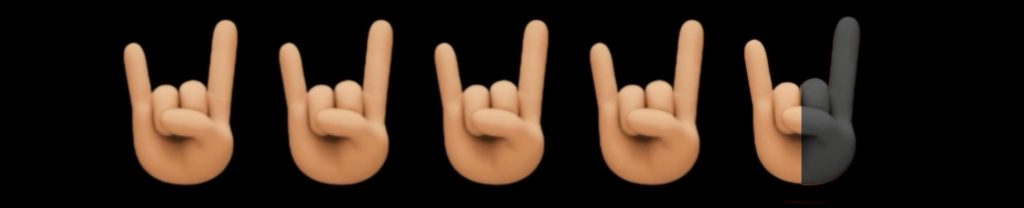
Metal Lair Rates Para Bellum 4.5 Metal Horns
Overall Thoughts
Para Bellum isn’t here to reinvent Testament. It’s here to remind the world why they’re still one of thrash’s most enduring forces. Fourteen albums deep, they’re still swinging with conviction, still writing riffs that could level buildings, and still finding new corners of their sound to explore. Not every shot hits dead center (High Noon feels a bit by-the-book, and a couple tracks don’t quite reach the heights of the best), but the highs here are Shadow People, Infanticide A.I., Havana Syndrome.
This is a record made by veterans who’ve stopped chasing trends and instead sharpened the weapons that built their empire. And that’s exactly why it hits so hard.
Testament Para Bellum album review
“If you’re chasing more chaos like this, our latest Seven Deadly Songs has a few thrash gems cut from the same cloth.”
“Fans of the band’s deeper cuts might want to dive into our Deep Cuts Metals Hidden Gems archive. It’s basically a masterclass in metal archaeology.”
“And if you want the stars to pick your next mosh-pit anthem, Metalhead Horoscopes has you covered.”
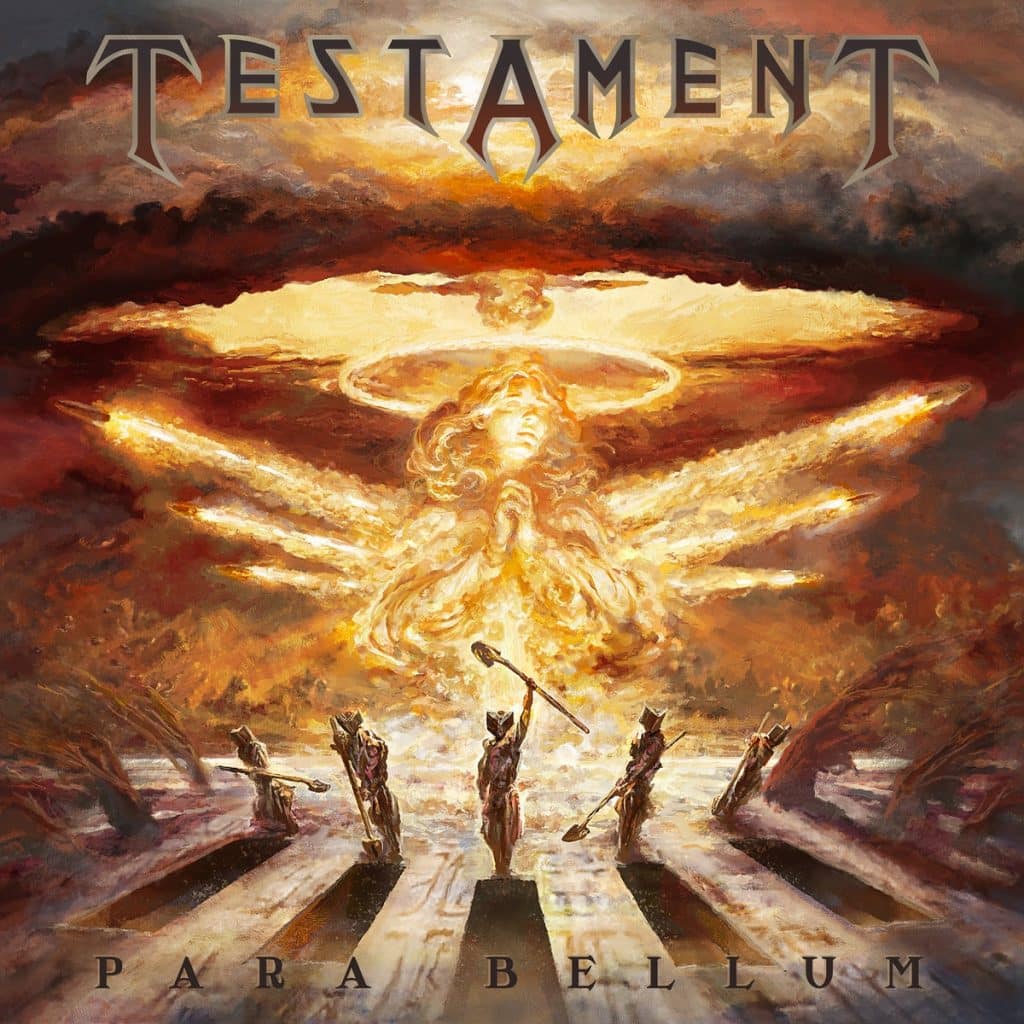
Para Bellum Track Lusting. 😂 Honestly, “track lusting” isn’t wrong, that’s exactly what we’re doing here.
1.For the Love of Pain
2.Infanticide A.I.
3.Shadow People
4.Meant to Be
5.High Noon
6.Witch Hunt
7.Nature of the Beast
8.Room 117
9.Havana Syndrome
10.Para Bellum
Support Metal Lair
Metal Lair runs on passion, riffs, and far too much coffee. If you enjoy the interviews, reviews, and recurring series, you can support the site here: