
Written By Lucien Drake
Metal isn’t just about the songs that filled arenas or landed on greatest hits compilations, it’s about the tracks buried on rare pressings, lost in demo tapes, or tucked away as bonus cuts. Welcome to Deep Cuts: Metal’s Hidden Gems.
This week we traverse the extremes of metal’s underground. From Pupil Slicer’s jagged mathcore origins and Stoned Jesus’s doom-drenched beginnings, to Powerwolf’s hidden liturgy and Ax Cx’s raw grindcore weaponry. We dive into Dying Fetus spitting bile at conformity, Demonic Resurrection carving India’s first extreme pathways, Skepticism’s funeral doom hymns, Black Tusk’s swamp-thick sludge, Morta Skuld’s death grit, and the surreal dissonance of Norway’s Virus. These songs are hidden gems that carry entire histories within them, the treasures buried in plain sight, waiting for treasure hunters to dig.
Pupil Slicer: Sophie – Death Goals (2017)
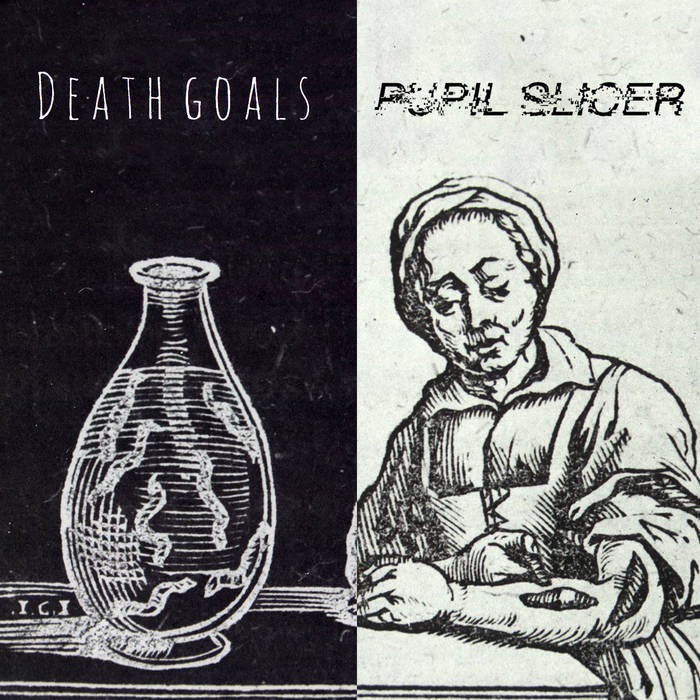
Before Pupil Slicer became one of the UK’s most forward thinking mathcore bands under Prosthetic Records with Mirrors (2021) and Blossom (2023), they were sharpening their claws in the underground. Hidden away on a 2017 split with Death Goals, “Sophie” captures the band in raw embryonic form. It has jagged riffs, dissonant spasms, and an unrelenting energy that foreshadows the chaos to come.
Pupil Slicer’s “Sophie” is messy, and snarling with that early mathcore chaos they’re now known for. You can hear the embryonic DNA of Mirrors in it with angular riffs, spastic tempo shifts, raw shrieking urgency. It’s got that “band in a basement with something dangerous to prove” energy.
This is a track that feels less like a polished product and more like a lightning strike caught on tape. An artifact of a band on the verge of transformation. For Deep Cuts, it’s exactly the kind of overlooked relic that deserves a resurrection.
Stoned Jesus: Insatiable King – First Communion (2010)

This marks 15 years since Ukrainian doom trio Stoned Jesus dropped their thunderous debut First Communion. JReleased in 2009, it fused Sabbath-worship heaviness with a modern stoner doom pulse, instantly carving them a place in the underground. What began as a small ripple has since grown into one of Eastern Europe’s most influential heavy acts, with First Communion standing tall as the raw, fuzz drenched beginning of their journey.
Their track “I’m the Mountain” from Seven Thunders Roar, 2012) is practically legendary in doom circles. It’s sprawling, psychedelic, and almost spiritual.
But our pick this week goes deeper. “Insatiable King” from their debut First Communion (2010). Raw, dark, and dripping with underground doom grit, it’s a relic of their earliest days and pure gold for Deep Cuts: Metal’s Hidden Gems. The song not only captures their beginnings in the heavy underground but also foreshadows the evolution that would earn them the title of “heavy prog trailblazers” under Season of Mist Records.
Powerwolf: Secrets of the Sacristy – Blessed And Possessed (2015)
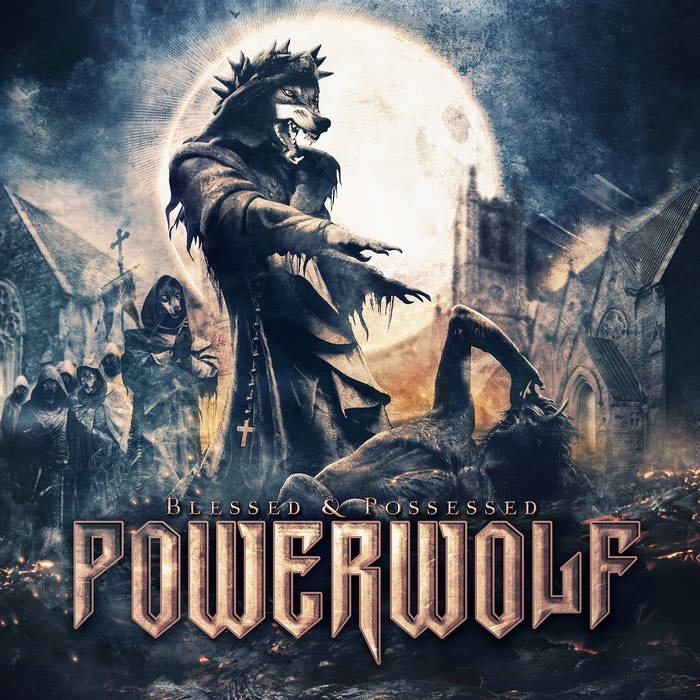
By now, Powerwolf hardly need an introduction. Under the label Napalm Records, the German pack of wolfish priests has built an empire on gothic theatrics, choir-laden choruses, and riffs as bombastic as cathedral bells. Tracks like “Army of the Night” and “Demons Are a Girl’s Best Friend” have carried them to festival main stages across Europe.
But hidden deep in the vaults of 2015’s Blessed & Possessed lies “Secrets of the Sacristy,” a bonus track left off the main release and known only to diehards. It’s classic Powerwolf at full throttle. It’s dark liturgy, blazing solos, and Attila Dorn’s operatic vocals summon fire and brimstone. The fact that such a commanding anthem was tucked away as an afterthought makes it pure treasure for Deep Cuts: Metal’s Hidden Gems. This track proves that even a band at the height of their powers can hide fangs in the margins.
Anal Cunt: Song #8 – Morbid Florest (1993)

Anal Cunt (or AxCx, for the delicate types) is the infamous grind/noise/satirical provocateur band. Widely known in extreme music circles for offensive humor, ultra short songs, and deliberately abrasive chaos. They carved out one of the most notorious reputations in underground metal.
But beneath the controversy lies a raw grindcore spirit, and nowhere is that clearer than on their early work. “Song #8” from the 1993 EP Morbid Florist (released through Earache Records) strips away the shock comedy and delivers pure, unhinged grind. No gimmicks, no jokes, just noise as weapon, captured at the moment when the band was crossing from chaotic demo legends into infamous underground disruptors.
It’s the kind of track most listeners skip past, but for Deep Cuts: Metal’s Hidden Gems, “Song #8” is a reminder that AxCx weren’t just provocateurs, they were pioneers of extremity itself.
Dying Fetus: Pissing in the Mainstream – Killing On Adrenaline (1998)
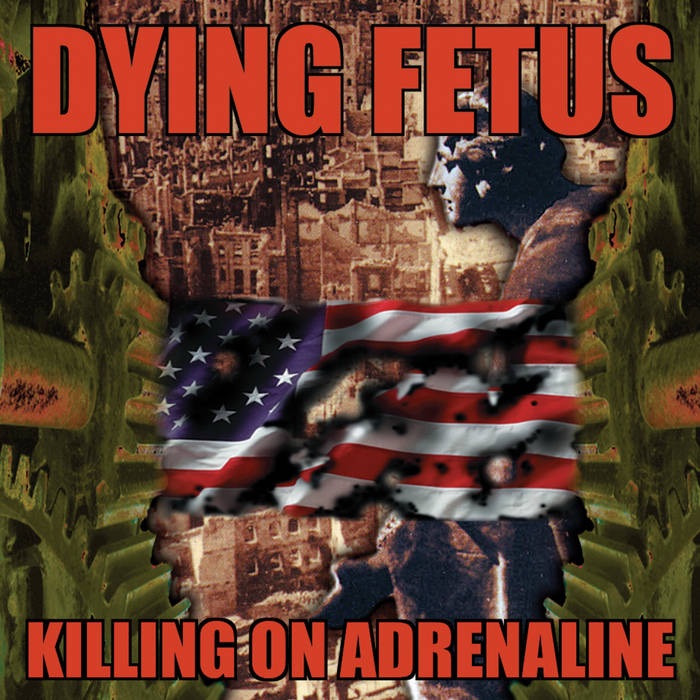
By the late ’90s, Dying Fetus were sharpening their signature blend of slam riffs, technical precision, and brutal satire. While the world would later hail albums like Destroy the Opposition and Wrong One to Fuck With, their 1998 record Killing on Adrenaline (reissued through Relapse Records) captured them at their hungriest.
Buried on that album is “Pissing in the Mainstream,” a track that mocks pop culture conformity while blasting through relentless riffs and guttural fury. It’s the perfect collision of Dying Fetus’s underground ethos and their sharpened musicianship, a reminder that long before they were death metal festival headliners, they were already spitting bile at the mainstream from the gutter. For Deep Cuts: Metal’s Hidden Gems, it’s a fitting anthem, vicious, overlooked, and dripping with contempt.
Demonic Resurrection: Darkened Moon – Demonstealer (2000)
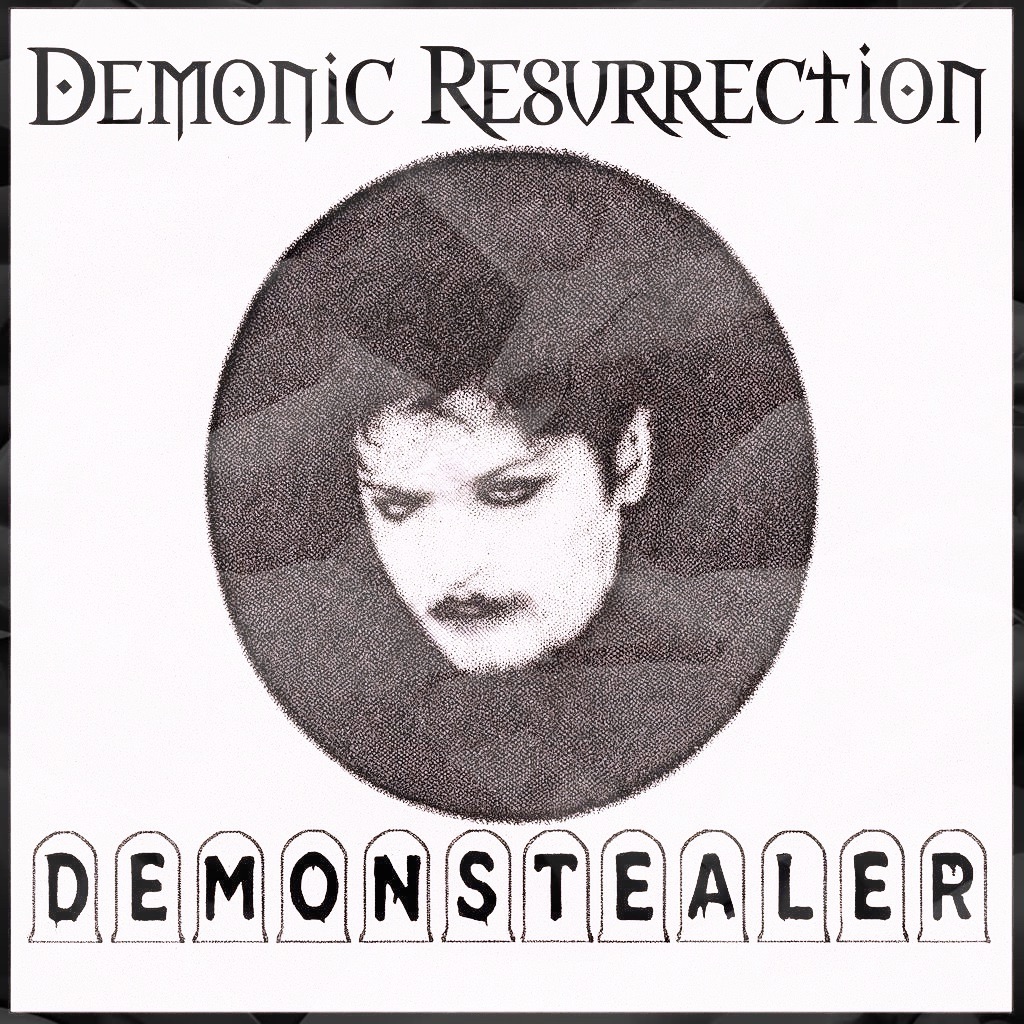
At the turn of the millennium, extreme metal in India was practically non existent. Against the odds, a teenage Sahil “Demonstealer” Makhija formed Demonic Resurrection and self-released the DIY debut Demonstealer (2000, Demonstealer Records). The production was raw, the distribution almost scarce, but the vision was undeniable.
Buried in that debut is “Darkened Moon,” a rare track that captures the band’s earliest blackened gothic leanings. A far cry from the symphonic death metal juggernaut they would later become. It’s rough around the edges, but that’s exactly why it matters. It’s the sound of India’s extreme metal roots breaking through the soil.
Their influence runs deep. Then a breakout force now firmly entrenched in the global scene, ”Bloodywood, who performed live on SiriusXM Liquid Metal’s Next Wave Concert Series in 2022, have cited Demonic Resurrection as one of their main inspirations on their way to global attention. And Sahil himself is more than just a frontman, he’s a true renaissance man of Indian metal. A musician, label founder, promoter, and tireless advocate.
In a country where metal still faces cultural resistance and even religious pushback, Demonic Resurrection’s fight to exist is as heavy as their riffs. That’s why “Darkened Moon” earns its place in Deep Cuts: Metal’s Hidden Gems. A reminder that sometimes the most vital songs come from bands battling not just obscurity, but entire climates of opposition. Find Demonic Resurrection on Black Lion Records.
Look for Headbangers Kitchen. An online heavy metal cooking show, hosted by Sahil ‘Demonstealer’ Makhija, frontman of Demonic Resurrection. Specializing in food and heavy metal.
Skepticism: The Gallant Crow – Stormcrowfleet (1995)
“When Finland’s Skepticism released Stormcrowfleet in 1995 through Red Stream Records, they quietly helped invent an entire genre, funeral doom. Pipe organs groaned like collapsing cathedral walls, riffs crawled at a glacial pace, and vocals echoed like voices from a tomb.
Over the decades that followed, their discography became sacred text in the funeral doom underground. Albums like Farmakon (2003) proved the band could evolve without losing that sepulchral core, while Alloy (2008) carried their slow, crushing hymns into a new century.
Fast forward to today, and the band continues their march under Svart Records, carrying the same cavernous weight into the modern era with albums like Companion (2021).”
Black Tusk: Truth Untold – Pillars of Ash (2016)
When people talk about the Savannah sludge scene, names like Mastodon, Baroness, and Kylesa get thrown around first. But right beside them, sharpening riffs in the shadows, is Black Tusk. Formed in 2005, this trio has churned out a nasty fusion of sludge, crust punk, and hardcore that’s heavier than swamp air in August.
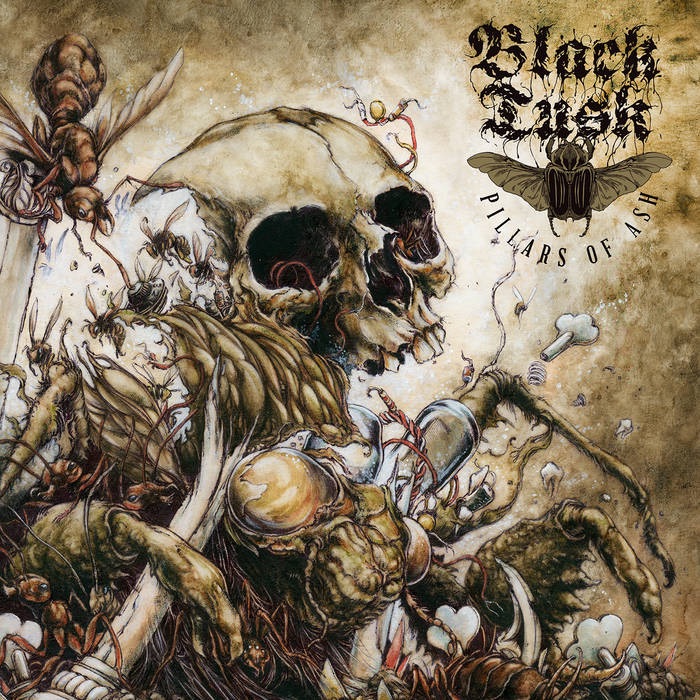
Albums like Set the Dial to Your Doom (2011) and Pillars of Ash (2016) prove they can go toe-to-toe with their more famous peers. The track “Truth Untold” is pure Deep Cuts: Metal’s Hidden Gems material. They’ve earned a loyal cult following and sit on the powerhouse roster of Season of Mist Records.
Black Tusk hammers raw, punk-driven fury. “Truth Untold” from Pillars of Ash is their buried treasure. It’s gnarly, swamp-thick riffs collides with crust-punk energy in a way that’s both unrelenting and infectious. It’s a song that never got the recognition it deserved but it captures Black Tusk’s essence perfectly.
Morta Skuld: Of Evil – Dying Remains (1993)
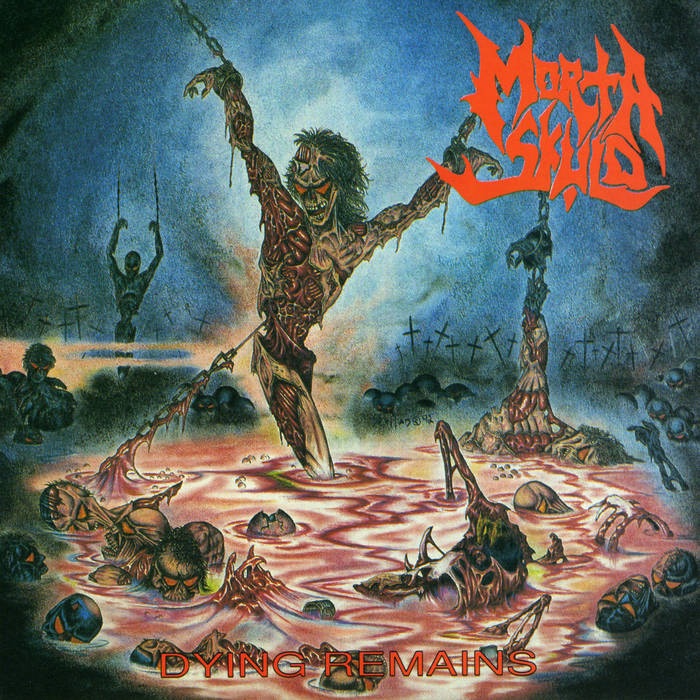
Milwaukee’s Morta Skuld has the riffs and brutality to stand shoulder to shoulder with death metal giants. “Of Evil” from their debut Dying Remains is a hidden gem mid-tempo menace. The song boasts sharp riffing, and grim atmosphere. It’s a track that slipped past most listeners in the chaos of the ’90s boom, but it deserves resurrection.
Back in the early ’90s, death metal was exploding with giants like Death, Obituary, and Morbid Angel dominating the conversation. But in Milwaukee, Morta Skuld were carving riffs just as vicious, only to be buried beneath the noise of bigger names. Their debut Dying Remains (1993) is a lost gem, raw, crushing, and brimming with that classic Midwest death grit.
While their peers went on to international recognition, Morta Skuld thrived in the underground. Albums like Surface (1997) and Wounds Deeper than Time (2017) prove they never lost the edge. Tracks like “Of Evil” and “Without Sin” hold up against any classic-era death metal, yet the band still sits in obscurity outside of diehard circles.
Why they’re a Deep Cut. Morta Skuld embody the “should have been bigger” tragedy of death metal’s golden age. They had the riffs, the brutality, and the staying power but never the spotlight. For fans who think they’ve heard it all, Morta Skuld’s catalog is a goldmine of overlooked savagery.
NEW ALBUM ‘CREATION UNDONE’ IS OUT NOW! Find tourdates, discography and more for Morta Skuld at Peaceville Records.
Virus: Dead Cities of Syria – The Agent That Shapes the Desert (2011)
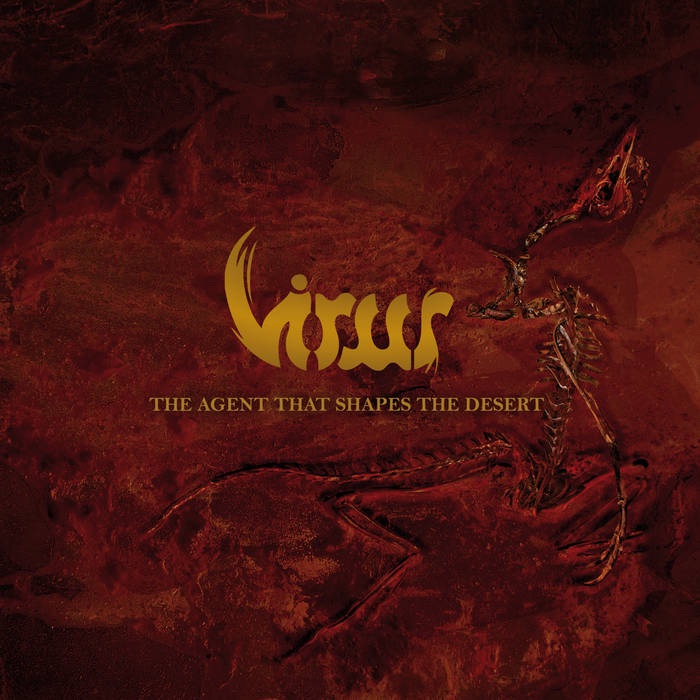
Virus twisted metal into something uncanny. Jagged riffs, jazz-soaked rhythms, and Czral’s eerie half spoken vocals. “Dead Cities of Syria” from The Agent That Shapes the Desert is the band’s true hidden jewel. A surreal track that feels like wandering through a dreamscape of warped architecture and desert winds. It’s not for everyone but for those who crave something truly otherworldly, this is the door, all you have to do is walk through.
Norway may be infamous for black metal, but tucked away in the country’s experimental underground was Virus, a band that defied every boundary. Formed by Carl Michael Eide (aka Czral, formerly of Ved Buens Ende), Virus crafted a surreal blend of avant-garde rock and metal that sounds like Voivod taking a fever dream detour.
Their debut Carheart (2003) and later masterpiece The Agent That Shapes the Desert (2011) are filled with jagged, off kilter riffs, jazz infected rhythms, and eerie vocal lines that warp reality. Tracks like “Chromium Sun” and “Dead Cities of Syria” prove Virus were never aiming for mainstream acceptance. They were conjuring music from another dimension entirely.
Why they’re a Deep Cut. Virus never courted fame, but their strange and unsettling vision carved out one of the most unique sonic landscapes in metal. For listeners craving something that doesn’t just bend genres but warps them into new shapes, Virus is the hidden door.
Missed last week’s Deep Cuts: Metals Hidden Gems? Unearth it here.
FAQ – Deep Cuts: Metals Hidden Gems
Q: What is Deep Cuts: Metals Hidden Gems?
A: Deep Cuts: Metals Hidden Gems is Metal Lair’s weekly feature that uncovers rare, overlooked songs in metal. Each edition explores hidden treasures from classic albums, bonus tracks, and cult bands.
Q: Which bands are featured in Deep Cuts: Metals Hidden Gems?
A: Deep Cuts shines a light on metal bands across every era and subgenre, with a focus on the overlooked, the underground, and the underrated. From pioneering acts lost in time to modern bands still clawing their way out of obscurity, every installment highlights hidden gems that deserve more recognition.
Q: Why are these tracks considered hidden gems?
A: These songs are deep cuts because they’re rarely discussed, often overshadowed by more popular tracks, or only found on special editions and forgotten releases.
Q: How often is Deep Cuts: Metals Hidden Gems updated?
A: Deep Cuts: Metals Hidden Gems is an updated weekly series with new selections of rare tracks for metal fans to discover.
Q: Does Metal Lair have other weekly features like Deep Cuts?
A: Yes! Alongside Deep Cuts, we publish Seven Deadly Songs, a weekly feature highlighting seven of the best new metal tracks from across the scene. Together, the two series give readers a full spectrum of discovery—from underground obscurities to fresh releases by established bands.
Q: Where can I find past editions of Deep Cuts: Metals Hidden Gems?
A: You can find past editions by browsing the Metal Lair archives or following internal links included in each week’s feature.
About The Author:
Lucien Drake is the voice behind Deep Cuts: Metal’s Hidden Gems at Metal Lair digging up the rare riffs, lost demos, and overlooked tracks that prove the underground always runs deeper.