
Written By Caine Blackthorn And Kevin McSweeney For Metal Lair


Mawiza and Impureza are unleashing energy in divergent but equally potent ways. Mawiza channels indigenous roots into blackened soundscapes steeped in mythology and resistance, while Impureza welds flamenco’s ancestral soul to death metal’s punishing fury. Together, they form a sonic axis of tradition and defiance, reminding the world that Latin American metal isn’t just rising it’s erupting!
Beyond Borders: The Rise of Ancestral Metal
Mawiza and Impureza aren’t lone wolves , they’re part of a global uprising where heritage howls through distortion. Across Latin America, titans like Sepultura, Soulfly, and Krisiun built the scaffolding of the underground. Rata Blanca infused it with melodic fire, while genre-benders like Puya and The Chasm spun Latin rhythms into metal’s DNA.
But the resurgence isn’t confined to language or latitude. New Zealand’s Alien Weaponry thrash in te reo Māori, wielding ancestral stories. And in the frostbitten Adirondacks, Blackbraid channels indigenous North American spirit through haunting, atmospheric black metal. His music is primal and reflective, steeped in mourning, defiance, and connection to sacred land.
From Wallmapu to Waipu to the wilds of upstate New York, these bands aren’t just playing heavy music they’re reclaiming legacy, restoring voice, and summoning the ancient through the modern. This is metal not just as rebellion, but as remembrance.
In a year dominated by digital noise and recycled riffs, two bands are rising like myth made flesh. One carries the ancestral chants of the Mapuche people, the other wields flamenco riffs like Toledo steel. Together, Mawiza and Impureza aren’t just releasing albums they’re reclaiming history through metal.
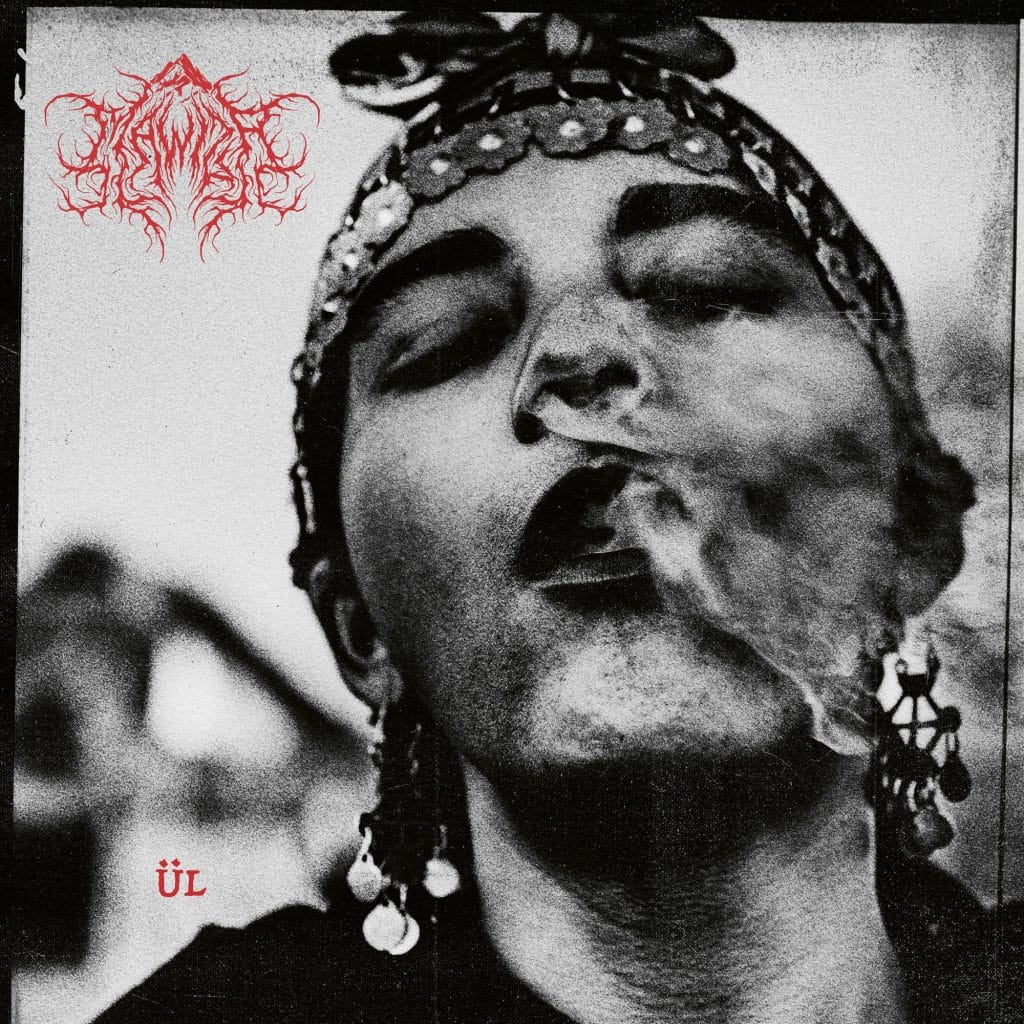
Mawiza – ÜL – Season Of Mist Records
Album Review Written By Caine Blackthorn
There’s metal, and then there’s metal that breathes. That listens. That remembers. On ÜL, Mawiza don’t just make music, they awaken it. This Chilean quartet has forged a record that moves like a living spirit across ancient soil, draped in distortion and lit by ancestral flame.
ÜL meaning “chant” in Mapuzugun isn’t a collection of songs so much as a ritual in nine parts. It’s a sacred transmission from the heart of Wallmapu to the ears of a world that’s forgotten how to listen. Mawiza use groove metal as a ceremonial vessel, layering tribal rhythms, shamanic chants, and blistering riffs to create a sonic language that’s both modern and mythic. The result? A sound that’s heavy not just in tone but in soul.
The opening track “Wingkawnoam” doesn’t so much begin as it rises, pulsing with the stomp of a ceremonial drum and the snarl of spiritual defiance. In Mapuzugun, the title translates to “To Decolonize,” and that intent reverberates through every percussive blow and lyrical howl. Vocalist Awka doesn’t sing, he summons, channeling visions and dreams handed down from bloodline and land. It’s more than performance. It’s prophecy.
As the album unfolds, each track unfolds like a different kind of invocation. “Mamüll Reke” carries the deep pulse of wooden forest spirits, while “Ngulutu” calls to long forgotten battles between colonizers and those who would not yield. There are no filler tracks. No empty riffs. Every note on ÜL feels like it has roots.
The production is clean without being sterile, a tricky line to walk in modern metal. Credit goes to Pancho Arenas, who manages to let the earthy instruments breathe beside towering guitars and guttural vocals. Drums sound like they were recorded in a cave mouth during a thunderstorm. The guitars? They burn like struck flint.
But it’s the final track, “Ti Inan Paw-Pawkan,” that seals the album’s purpose. Featuring Joe Duplantier of Gojira, an artist who knows a thing or two about fusing heaviness with heritage the song crashes like an avalanche and vanishes like smoke. It is both ending and beginning, a reminder that Mawiza aren’t here to entertain. They’re here to remember and make damn sure we do too.
ÜL is an album of resistance and reverence. It doesn’t beg for attention; it demands respect. In a genre that too often forgets its own roots, Mawiza are digging deep into language, into legacy, into land and returning with something eternal.
Not just a great Latin American metal record. One of the year’s most important.

MAWIZA – ÜL Comes out July 18 On Season of Mist. Pre-Order And Save
Tracklist:
1. Verdiales (1:15)
2. Bajo las Tizonas de Toledo (6:25)
3. Covadonga (4:01)
4. Pestilencia (4:44)
5. Reconquistar Al-Ándalus (5:25)
6. Murallas (2:24)
7. La Orden del Yelmo Negro (4:57)
8. Castigos Eclesiásticos (6:06)
9. El Ejército de los Fallecidos de Alarcos (5:18)
10. Ruina del Alcázar (1:37)
11. Santa Inquisición (6:26)
Tracklist
1. Wingkawnoam (3:38) [WATCH]
2. Pinhza Ñi pewma (4:29)
3. Ngulutu (3:50)
4. Nawelkünuwnge (5:06)
5. Mamüll Reke (4:24) [WATCH]
6. Wenu Weychan (6:13)
7. Lhan Antü (4:08)
8. Kalli Lhayay (3:58)
9. Ti Inan Paw-Pawkan (featuring Joe Duplantier from Gojira) (4:42) [WATCH]
Tracklist (English Translation)
1. To Decolonize (3:38) [WATCH]
2. Hummingbird Dream (4:29)
3. Western Storm (3:50)
4. Become a Cougar (5:06)
5. Just Like The Tree (4:24) [WATCH]
6. The War of the Sky (6:13)
7. Dead of the Sun (4:08)
8. Let It Die (3:58)
9. The Last Harp Call (featuring Joe Duplantier from Gojira) (4:42) [WATCH]
Together, ÜL and Alcázares embody the rising flame of Latin American and Iberian metal. While stylistically different, one grounded in shamanic groove, the other in medieval fury both bands stand in resistance. Resistance to cultural erasure. Resistance to sonic homogenization. Resistance to forgetting.
Lineup
Awka – Lead vocals & rhythm guitar
Karü – Lead guitar & backing vocals
Zewü – Bass & backing vocals
Txalkan – Drums & percussion
Mawiza Online:
Alcázares by Impureza Season of Mist
Album Review Written By Kevin McSweeney
I’ll admit it: I’ve never really engaged with this particular subgenre before, and so I feel utterly ill equipped to review Alcázares, the third full-length album by Franco-Spanish flamenco death metallers Impureza. Sure, there’s been other bands who have added a Latin flavour to their rock/metal in the past, be it Santana or Sepultura, or Puya with their Puerto Rican prog. Indeed, there have been many bands who have utilised modern instruments to emulate those used in the traditional music of their culture, whether it was the Scottish rock band Big Country using lead guitar to imitate the sound of bagpipes, or Andrew Ranken of Celtic punk band The Pogues playing his drums in a manner that resembled the beat of a bodhrán. But this is something else altogether.
According to their label, Season of Mist: “The entire concept of the band revolves around the voluptuousness of Latin atmospheres, the ferocity of metal, and Spanish culture and history, explored through a fictional and esoteric aspect.” I don’t really know about any of that, except maybe metal, though others might disagree. I certainly know nothing about voluptuousness! So, with hands raised and mea culpas phrased, let me proceed with the review in full awareness of my own ineptitude.
Opener Verdiales is one minute and 15 seconds of Spanish guitar and dramatic synths, building anticipation for the onset of the Iberian-flavoured intensity to come. And come it most certainly does, with riffs and rolling drums in perfect lockstep as Bajo las Tizonas de Toledo opens proceedings in a fiesta of ferocity. The song is a tribute to El Cid, a significant figure in the Reconquista and subsequent ruler of the Principality of Valencia. (Thank you, Google!) Musically, extreme metal and flamenco are joined seamlessly, with the drums seemingly mimicking castanets at times – that’s when they’re not mimicking the fastest AVE train in the Renfe fleet. (There are actual castanets later in the track!) It’s a little proggy at times, with lead guitar and synths that could be the work of Dream Theater, though having someone growl at me en Español ineluctably brings Brujería to mind.
Covadonga commences with a pulverising Painkiller-style drum intro, before launching into absolutely brutal death metal that is strangely complemented by the Spanish melodies. It really shouldn’t work, you know, but it does, and the combination is particularly gratifying on this track. The dexterity of the fingers of Lionel Cano Muñoz is simply staggering, whether it’s the rapid-fire tremolo picking or the flamenco guitar he’s playing, it’s astonishing what he can do with those digits! The serenity of Pestilencia, with its gentle guitar and latin percussion, is a nice reprieve following the previous two slabs of extremity – well, for about a minute anyway, until all Hell breaks loose. I’m not sure if the song refers to the outbreak of Spanish Flu in 1918 or some earlier plaque, but it’s horrific lyrically either way.
Reconquistar Al-Ándalus gives us something different to the prevailing blast beats we’ve been treated to until now. This is a bit of extreme metal a celebrity could dance to on Strictly Come Dancing or Dancing With The Stars! Well, for about twenty seconds anyway, then we return abruptly to the carnage, musically and lyrically; it’s a grisly tale of the bloody victory of the forces of Christianity over Islamic rule in southern Spain in the Middle Ages. I particularly appreciated the Cannibal Corpse-style trills in this one. I love a good trill! There’s a return to those sultry Latin rhythms later in the song, and a return to the ferocity shortly thereafter. Murallas is a purely traditional piece purely on Flamenco guitar, backed only with foot-stomping, hand-clapping Jaleo. Like Kaiowas on Sepultura’s Chaos AD, it is a reprieve from the heaviness, and a skilfully executed one at that.
La Orden del Yelmo Negro turns to groove metal at times, with the mixture of clean and harsh vocals bringing Fear Factory to mind, minus the industrial elements, whereas Castigos Eclesiásticos strays almost into atmospheric black metal territory, or a flamenco variant thereof, with its sombre synths, furious riffs and blast beats, though we return briefly to a sexy, sultry dancable section in the middle. El Ejército de los Fallecidos de Alarcos – something to do with armies of the dead – might be the song to which the spectral figure on the cover art refers. It’s a slower, more brooding kind of number, though drummer Guilhem Auge is still going at a heck of a pace. They never really get a moment to relax in extreme metal, these drummers.
We have one more moment of respite in the form of Ruina del Alcázar, a gorgeous, intricate bit of Spanish guitar work, before we are hit with a barrage of riffs, drums and growls in the album’s finale. Nobody expects Santa Inquisición to be the final track, but there it is, so bring forth the comfy chair and enjoy it. We are bludgeoned with four minutes or thereabouts of straight up death metal before the flamenco guitar comes to the fore once more. They then build to a frenetic finish, and my goodness, they put in one heck of a shift on this one, before one last melodic Latin flourish brings us to a close, with the refrain of “Torquemada” ringing out at the end. This is a reference to Tomás de Torquemada, the Grand Inquisitor, (thanks again, Google,) who sought out the mark of the Devil and died on my birthday. I’m sure the two are unrelated.
It probably goes without saying that if, like me, you lack an extensive knowledge of Spanish history and folklore, and your ability to speak the language barely extends beyond: “Dos cervezas, por favor,“ it’s not going to be possible to appreciate the album fully. However, this is a feast of ferocity and flair delivered by remarkably talented musicians, from which there is much pleasure to be derived, even for an uncultured individual like me who would go out in the searing heat of a Spanish summer in search of a Sunday roast. ¡Muy bien, señores!
Alcázares Comes Out July 11 On Season of Mist Records. Pre- Order And Save

Tracklist:
1. Verdiales (1:15)
2. Bajo las Tizonas de Toledo (6:25)
3. Covadonga (4:01)
4. Pestilencia (4:44)
5. Reconquistar Al-Ándalus (5:25)
6. Murallas (2:24)
7. La Orden del Yelmo Negro (4:57)
8. Castigos Eclesiásticos (6:06)
9. El Ejército de los Fallecidos de Alarcos (5:18)
10. Ruina del Alcázar (1:37)
11. Santa Inquisición (6:26)
Tracklist (English Translation):
1. Verdiales – (A traditional Andalusian folk music/dance style)
2. Under the Blazing Heat of Toledo
3. Hollow Mountain
4. Pestilence
5. Reconquer Al-Ándalus
6. Walls (or “Fortress Walls”)
7. The Order of the Black Helmet
8. Ecclesiastical Punishments
9. The Army of the Fallen of Alarcos (a reference to the Battle of Alarcos, 1195)
10. Ruins of the Alcázar (“Alcázar” is a type of Moorish castle or fortress)
11. Holy Inquisition
Lineup:
Esteban Martín – All Vocals
Lionel Cano Muñoz – Rhythm, Lead & Spanish Guitars
Florian Saillard – Fretless Bass
Guilhem Auge – Drums
Impureza Online:
A New Era of Latin Metal
It’s no coincidence that both albums are being released by Season of Mist, a label known for championing global and avant-garde acts. Nor is it surprising that fans of Gojira, Fleshgod Apocalypse, and Hate Eternal are taking notice. The world is ready for metal that doesn’t just melt faces but also reclaims roots, rewrites narratives, and burns down colonized histories.
From the windswept mountains of Wallmapu to the bloodied stones of Toledo, Mawiza and Impureza are not just playing music. They’re invoking it. Summoning it. Channeling centuries of pain, pride, and power into every chord.
Let it be known: the age of Latin metal is not coming. It’s already here.