Written By Caine Blackthorn
How Streaming, Social Media & Algorithms Rewired Heavy Music
Something strange happened to heavy music while everybody was busy arguing about subgenres online.
Somewhere between Spotify playlists, TikTok clips, collapsing album sales, “premium VIP experiences,” algorithm-chasing social media strategies, and bands posting memes between tour dates because disappearing from the algorithm has become its own career risk…
…the entire ecosystem quietly mutated.
Not overnight or dramatically, but slowly. Like rust spreading beneath black paint.
And now in 2026, a growing number of musicians no longer feel like artists first.
They feel like full-time content creators trapped inside a machine demanding blood sacrifice for engagement.
Heavy music once thrived on mystique. Bands vanished for years.
Records arrived like transmissions from another dimension. Nobody expected daily updates, breakfast photos, rehearsal clips, or carefully optimized engagement schedules.
Now?
A death metal band can release a phenomenal album and still get buried because the guitarist forgot to upload enough vertical video content that week. That’s not evolution, it’s industrialized attention extraction.
And at the center of the entire thing sits the modern streaming ecosystem: a system that made music more accessible than ever while simultaneously helping devalue it into background utility content people consume like running water.
For listeners, streaming feels infinite.
For musicians, it often feels microscopic.
Millions of streams can still translate into payouts that look less like sustainable income and more like somebody dropped spare coins into an empty guitar case.
Meanwhile giant streaming platforms continue generating billions while artists increasingly survive through relentless touring, merch sales, Patreon support, VIP packages, crowdfunding, and constant social media labor.
The modern band is no longer simply competing against other musicians.
They’re competing against: algorithms, influencers, infinite content feeds, shrinking attention spans, platform dependency, burnout itself.
And the psychological toll is becoming impossible to ignore.
Because once streaming hurt the old album-revenue model, touring became mandatory survival.
Then touring costs exploded and social media became mandatory marketing.
Then social media itself became algorithmically throttled unless creators constantly fed the machine or paid for reach.
So now bands exist in a state of permanent visibility labor. Always online, promoting and being available. And one bad month away from algorithmic ghosting.
And honestly?
A lot of artists look exhausted. Not creatively exhausted, systemically exhausted.
The weirdest part is that some fans often hate the system too. Fans complain that everything feels overmarketed, fake, and inauthentic.
None of this means artists aren’t being discovered. In many ways, the opposite is true. More music is available to more people than at any point in human history. The question is whether discovery itself has become increasingly shaped by engagement metrics rather than artistic merit.
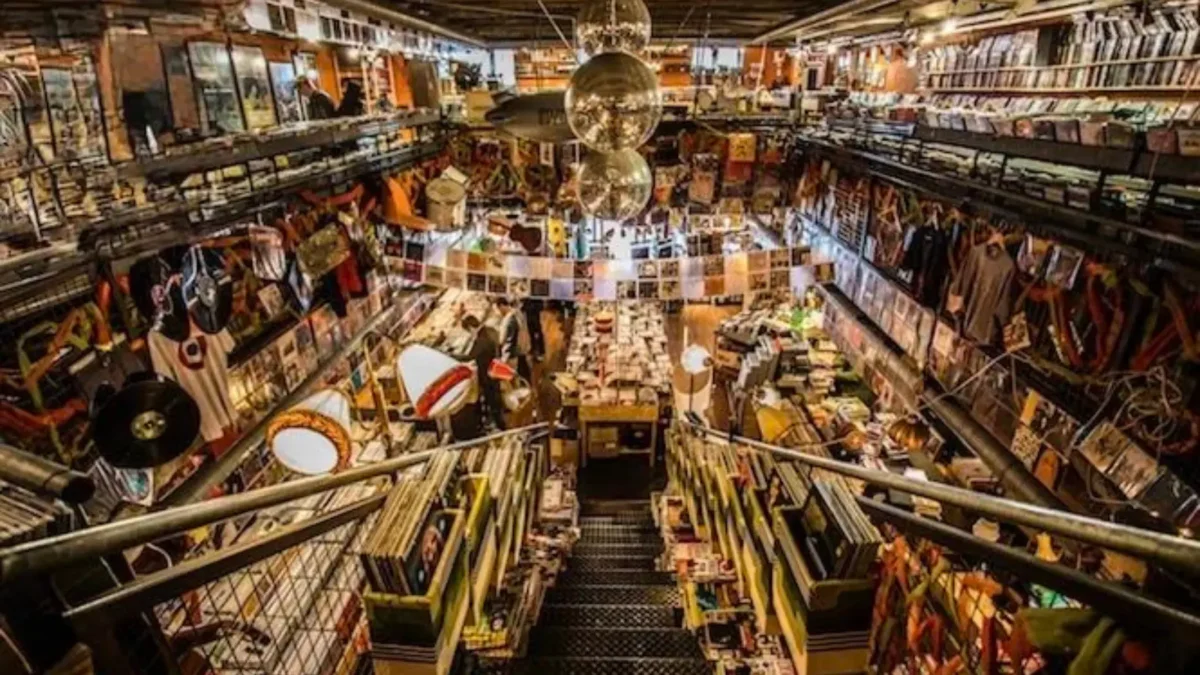
To those of us who experienced the thrill of discovering music in record stores, print publications, and local venues, today’s discoveries through TikTok, Reels and stories feel like substituting filet mignon with a fast food hamburger.
It will fill your stomach but it will never be savored or remembered because it’s disposable garbage. Garbage that sells, that’s the tragedy.
Filet mignon takes time, takes skill. It takes patience to appreciate. Fast food is instant gratification. It’s salty, it’s fatty, it hits the dopamine receptors immediately, and it keeps you coming back for more even though you know it’s rotting you from the inside out.
We’re living in the fast food era of everything. Music. Art. Relationships. Nobody wants to cook the steak anymore. They just want the drive-thru window. Get in, get what they want, get out.
And the worst part? The algorithm rewards the empty calories. The people who spent years learning their craft are fighting for scraps while attention flows toward whatever keeps eyes glued to a screen for a few more seconds.
Sadly, the younger generation grew up inside that system. They never saw the machine arrive. They inherited it.
“The boiled frog syndrome.”
Put them in a pot of cold water and turn up the heat slowly. They don’t realize they’re boiling because the temperature creeps up on them. They think the lukewarm, flavored water is the ocean.
It’s not their fault they were born into the noise. They’ve never heard silence. They’ve never experienced the anticipation of waiting for a physical album to drop. They’ve rarely held an analog object and felt the weight of it. Everything is stream, swipe, forget.
The machine is chewing up the music industry for profit.
But I have to give credit where it’s due. They’re starting to push back. You see it with the vinyl revival. You see it with the return of film cameras. Deep down, even the digital natives know something is missing. They’re hunting for the ghost in the machine, looking for something that feels real.
Maybe that’s why they’re drawn to the retro stuff. The lost demos and hidden tracks. The vintage amps. The first pressings. They don’t know why they want it, but their souls are starving for the filet mignon, even if they’ve never tasted it before.
Ironically, while streaming platforms continue reducing music into invisible subscription-based utility content, physical music culture has quietly started fighting its way back from the grave.
Vinyl sales continue resurging. Events like Record Store Day demonstrate that physical music culture still has passionate supporters willing to stand in line for something tangible.
CD collectors never fully disappeared. Cassettes somehow crawled out of the crypt again. Band shirts, patches, box sets, signed editions, limited pressings, posters, and physical merch have all become increasingly important not just financially for artists but emotionally for fans.
The continued success of Bandcamp and direct-to-fan sales proves that many listeners still want more than rented access to music.
Because people still crave ownership.
Not rented access or temporary playlists.
Not algorithmically generated recommendations designed to blur one song into another until music becomes emotional wallpaper.
Real ownership, something tangible and personal. Something that survives if streaming platforms crash tomorrow or licensing agreements quietly erase albums overnight.
Heavy music fans especially have always understood this better than most genres.
Metal culture was built around physical identity with battle jackets covered in patches, carefully curated band tees from tours years ago, rare vinyl pressings, handwritten setlists, autographs, posters taped to bedroom walls, stacks of CDs organized like sacred relics.
That culture never fully disappeared. If anything, younger generations raised entirely inside digital ecosystems now seem hungry for it again.
Because physical media transforms music from disposable content into memory, ritual, and community.
Something human beings actually carry with them instead of endlessly scrolling past.
Because the algorithm doesn’t reward depth, it rewards retention.
The machine does not care if an album changes your life. The machine cares whether you scrolled away after seven seconds.
And heavy music, a culture once built around rebellion, outsider identity, physical community, and emotional honesty now finds itself increasingly trapped inside platforms owned by giant tech corporations optimizing human attention for profit.
Metalheads once discovered bands through tape trading, zines, record stores, flyers, scenes, word of mouth, older kids in battle vests. We explored this evolution in Before Algorithms: Hunting Metal Was Bloodsport.
Now discovery comes through playlists, recommendation engines, short-form clips, sponsored posts and algorithmic feeds.
Convenient? Absolutely, but convenience always extracts something in return. And what heavy music may have traded away is mystery.
Because somewhere along the line, musicians stopped simply being musicians. Now they’re brands and content pipelines feeding invisible systems that never stop demanding more.
The terrifying question isn’t whether this system is sustainable.
The question is whether younger artists will ever even know there used to be another way.
Is it hopeless or is there a revolution coming?
About The Author
Caine Blackthorn writes music news, trending topics, commentary, and feature pieces for Metal Lair with a focus on the shifting culture surrounding rock and heavy metal. From rising ticket prices and touring collapse to legacy artists, industry absurdity, and the changing soul of live music, his work blends sharp observation with the grit, humor, and frustration of the scene itself. Whether covering modern chaos or metal history, Caine approaches heavy music as something lived through, not simply reported on.
Read More From This Author:
AFTER 10 YEARS OF SILENCE, ANTHRAX SOUNDS REBORN ON CURSUM PERFICIO
ALBUM REVIEW: SEPULTURA – THE CLOUD OF UNKNOWING
Metal Legacy Profiles: Chuck Schuldiner
No algorithms. No fluff. No watered-down corporate metal coverage.
Subscribe to Metal Lair and get weekly underground features, Seven Deadly Songs, Deep Cuts, interviews, and original metal journalism sent directly to your inbox.
Join the patrons of Metal Lair
MetalLair.net is a metal zine muttering to itself about seo and blastbeats at 3 AM powered by caffeine, riffs, a severe lack of sleep, and a dog wondering why the human is still awake.
Sometimes it’s Kevin passing out mid Seven Deadly Songs.
Sometimes it’s digging up forgotten records no one else is talking about.
Always, it’s built for people who actually livethis music.
If that sounds like you, you’re already one of us.
Supporting Metal Lair means keeping it independent, loud, and real with no corporate filters, no watered-down takes. If you want to help keep it alive…
Become a patron of Metal Lair.