Welcome to World Metal Weekly. A Metal Lair global series.
Brazil Edition – Week 2
Written By Chris Norris
Welcome to World Metal Weekly. A Metal Lair global series.
Brazil Edition – Week 2
We are the United Nations of Noise mapping the metal underground one region at a time.
Metal is a global language, but Brazil speaks it like wildfire.
From São Paulo’s suffocating concrete sprawl to Amazon-edge black metal communes. Brazil doesn’t echo other scenes… it mutates them. Here, riffs don’t freeze, they sweat, they rot, they rage.
Here are seven Brazilian artists proving that the South doesn’t follow the world’s metal pulse it accelerates it.
Bem-vindo ao World Metal Weekly. Uma série global da Metal Lair.
Edição Brasil – Semana 2
Por Chris Norris
Somos as Nações Unidas do Ruído, mapeando o underground do metal, uma região de cada vez.
O metal é uma linguagem global, mas o Brasil a fala como um incêndio fora de controle.
Do sufoco de concreto de São Paulo às comunidades de black metal na beira da Amazônia, o Brasil não ecoa outras cenas… ele as muta. Aqui, riffs não congelam, eles suam, apodrecem, explodem em fúria.
Aqui estão sete artistas brasileiros provando que o Sul não segue o pulso do metal mundial, ele acelera esse pulso.

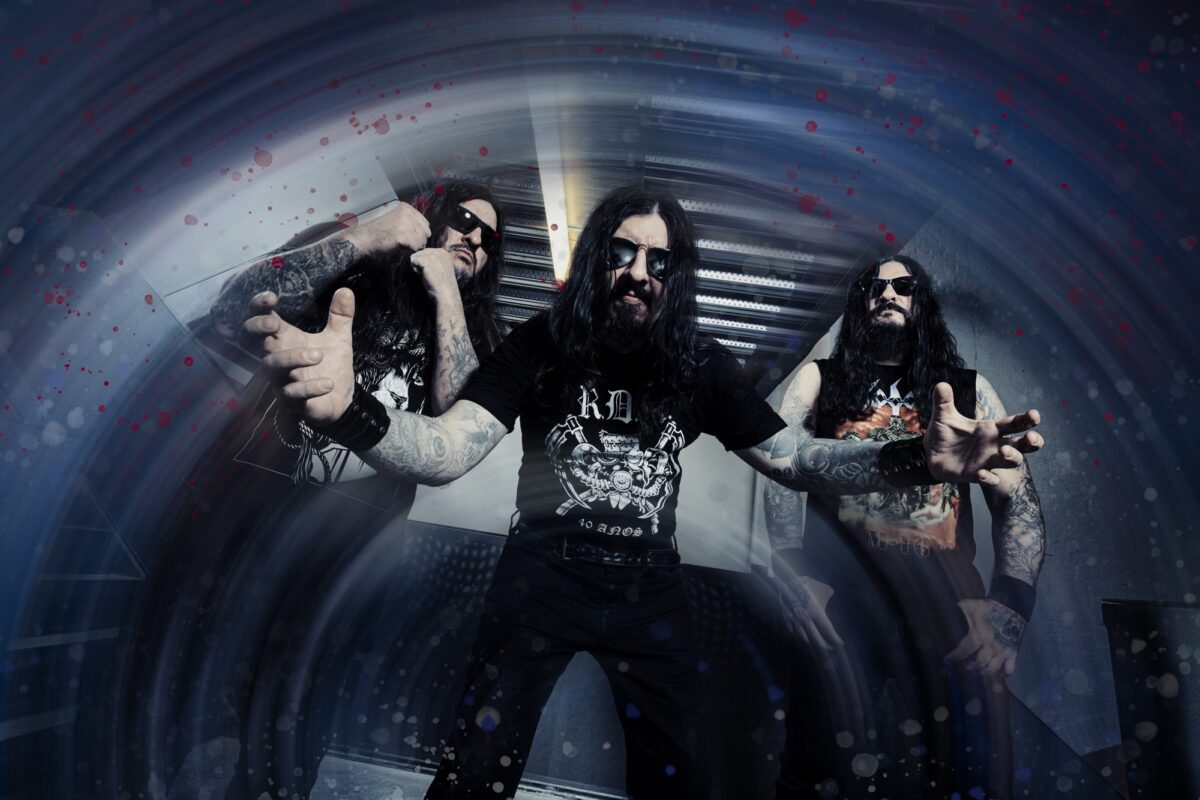
World Metal Weekly: Krisiun – Century Media Records
The fulcrum of Brazilian death metal
City: Ijuí, Rio Grande do Sul
Gateway Track: Ravager
Deep Cut: Dogma of Submission
Why them:
Because Krisiun didn’t join death metal, they re-wired it. Three brothers from Ijuí took the U.S. / Florida template and made it faster, meaner, dryer, all muscle, zero fat. Their discipline and refusal to soften the blade set the modern standard for speed-obsessed death. Without Krisiun, half the South American underground doesn’t sound the way it does.
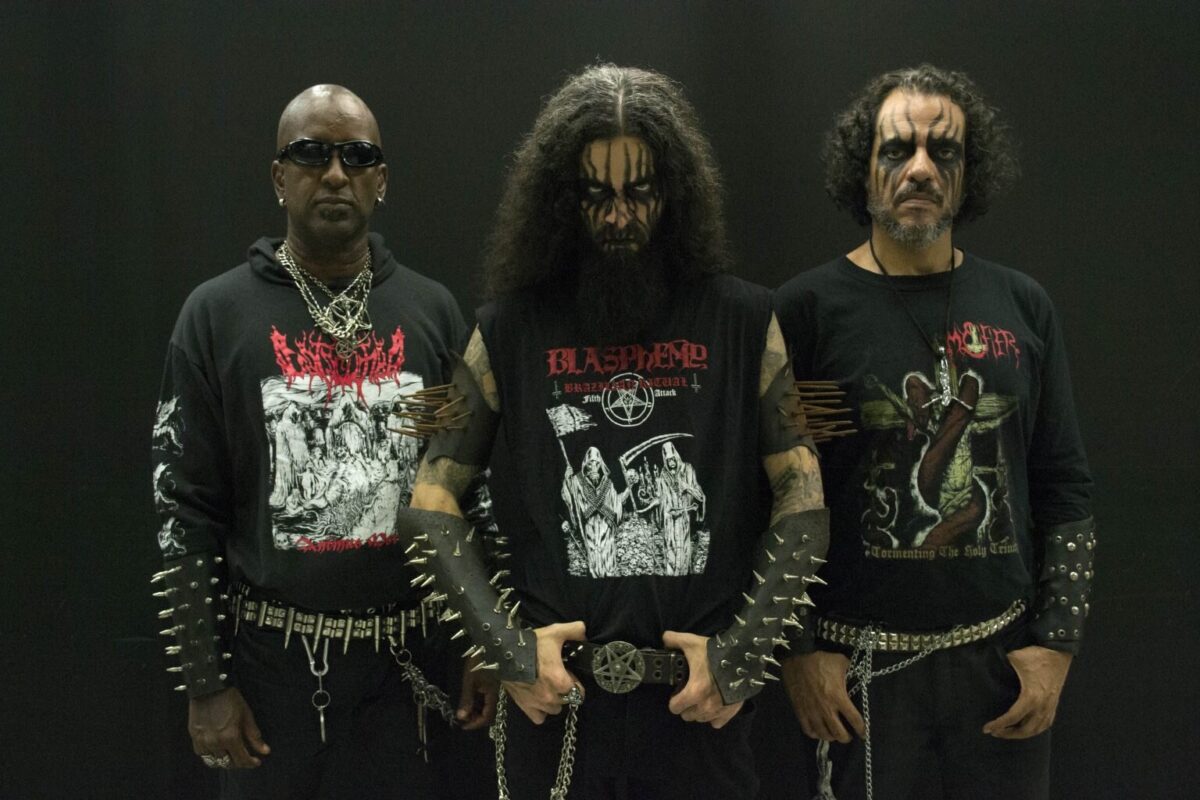
World Metal Weekly: Mystifier – Season of Mist
Brazilian black metal’s necromancer architect
City: Salvador, Bahia
Gateway Track: Give the Human Devil His Due
Deep Cut: The Death of an Immortal
Why Them:
Mystifier didn’t just play black metal, they summoned it. Way before corpsepaint became an export commodity, these Bahian sorcerers were fusing ritual percussion, occult liturgy, and evil-as-texture into something that felt genuinely forbidden. This is the band Europe heard whispers about before they ever heard a note. And the wild part? They’re still potent under Season of Mist. Where others calcified into nostalgia, Mystifier still conjure the old chaos with intent. They’re not a retro act, they’re a surviving primordial source.
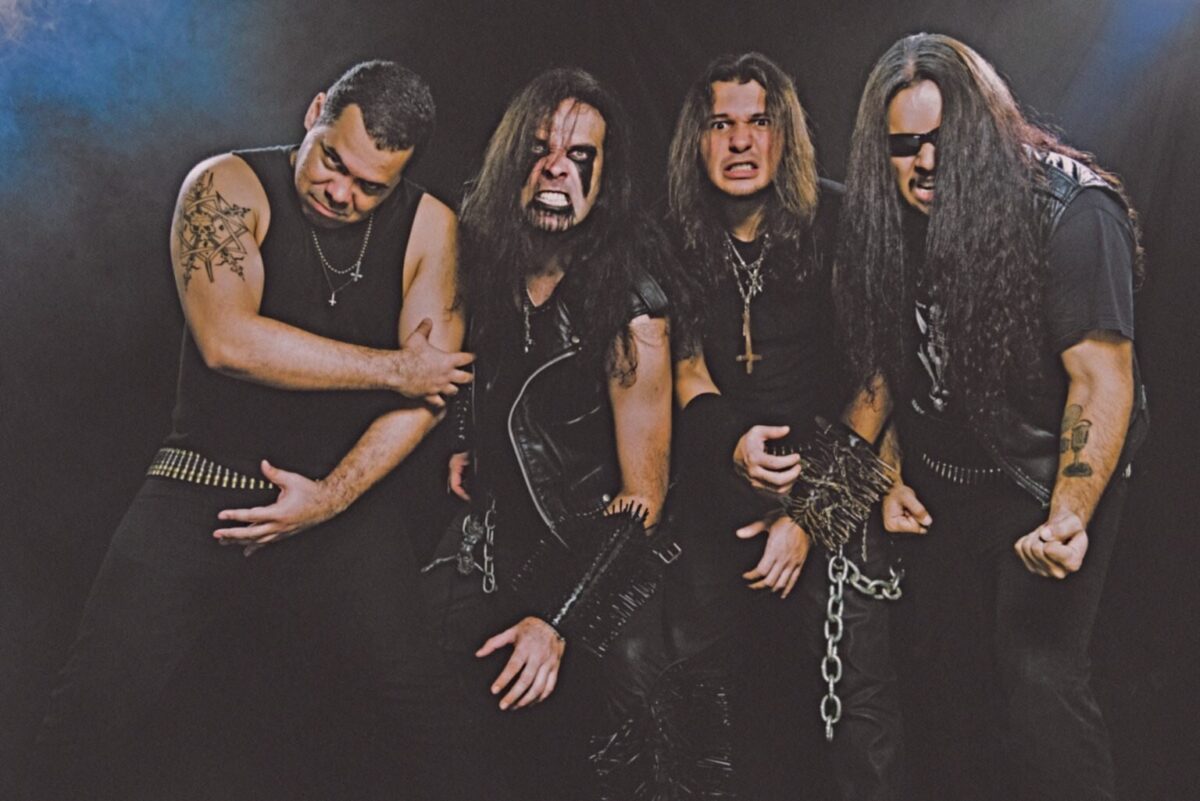
World Metal Weekly: Grave Desecrator – Season of Mist
Rio’s feral, street-level black/death
City: Rio de Janeiro
Gateway Track: Sign of Doom
Deep Cut: Temple of Abominations
Why them:
Grave Desecrator is the sound of black metal dragged through concrete. No mysticism, no candles, no forest cosplay, this is urban blasphemy forged in sweat, traffic, and delinquent night air. They took the early Brazilian chaos tradition (Sarcofago > Sextrash > Vulcano) and made it even more feral, more degenerate, more physical. There’s no romance here. This is the roar of a city that never sleeps, doesn’t apologize, and doesn’t sanitize its ugliness. Grave Desecrator is what Rio looks like after midnight, violent, ecstatic, and holy only in the sense that a riot is holy.

World Metal Weekly: Nervosa – Napalm Records
Brazil’s modern thrash expansion pack
City: São Paulo
Gateway Track: Kill the Silence
Deep Cut: Hostages
Why them:
Nervosa didn’t revive thrash, they weaponized it. Where most retro-thrash bands just chase old Bay Area riffs, Nervosa injects death metal muscle and modern production that actually hits. They’re proof that Brazilian extremity isn’t trapped in the 90s, it’s still mutating. And the global lineup shifts didn’t dilute them, it sharpened them. They tour like a war machine, and they play like they’re trying to punch a hole in the genre from the inside.

World Metal Weekly: Jupiterian – Transcending Obscurity Records
Funeral-sludge that feels like a planet collapsing
City: São Paulo
Gateway Track: Matriarch
Deep Cut: Capricorn
Why them:
Jupiterian don’t “riff,” they erode. Every song feels like a cosmic mass buried under oil-slick distortion and ceremonial tempo. Where Brazil is usually portrayed as fast, frenetic and violent, Jupiterian flips the stereotype: their heaviness is glacial, devout, frightening in the way ancient things are frightening. They’re proof that Brazilian darkness isn’t just adrenaline, it’s mass. Weight. Gravity. A black monolith sinking into molten rock.

World Metal Weekly: Angra – Reigning Phoenix Music
Brazil’s melodic/prog lineage – technique as transcendence
City: São Paulo
Gateway Track: Carry On
Deep Cut: Rebirth
Why them:
Angra is the counter-argument to the stereotype that Brazilian metal is only chaos, blast, filth, and raw attack. They took Brazilian rhythm DNA, fused it with European symphonic finesse, and made something neither side could have imagined on their own. They’re the country’s most influential melodic export — not because they’re “pretty,” but because they have vision. Angra is a reminder that extremity isn’t always speed or grime — sometimes it’s virtuosity sharpened to a blade.

World Metal Weekly: Surra – Black Hole Productions
Brazilian punk-thrash set on fire
City: Santos, São Paulo
Gateway Track: Sangue nos Olhos
Deep Cut: Escorrendo Pelo Ralo
Why them:
Surra isn’t “retro,” they are the living artery of Brazil’s hardcore half. The riffs come like beer bottles thrown from a moving car. Reckless, accurate and inevitable. They take the 80s crossover blueprint and strip it of cosplay nostalgia, leaving only speed, bile, and political flame. Surra is what happens when Brazil’s anger doesn’t get poetic or mystical, it just detonates.
Brazil doesn’t simmer, it detonates. From ritual chaos to asphalt blasphemy to tar-slow cosmic doom, this place proves heavy music isn’t a genre, it’s a pressure system.
Next week on World Metal Weekly we drop into a new scene, a new language, a new flavor of chaos because metal doesn’t care about borders, only decibels.
“Global noise. Local attitude. Every damn week.”
Next up: Greece Edition
Where black metal feels like old marble cracking under prophecy.
Not jungle heat, temple shadows. History bleeding back through distortion. Bands who treat riffs like curses… not entertainment.
Volume 3 lands next week. Silent steps. sharpened knives. ancient ghosts in the reverb. 🇬🇷
Missed last weeks World Metal Weekly where we travelled to Finland? You can find it right here.
World Metal Weekly FAQ:
Q: What is World Metal Weekly?
A: A guided tour through the loudest corners of the planet. One country per week, seven bands per stop, zero apologies for subjectivity.
Q: How do we pick the bands?
A: Taste, instinct, and a little chaos. The goal isn’t to chase hype, it’s to shine a light where the sparks are flying, whether anyone’s looking or not.
Q: Do I need a visa or a black-metal passport to follow along?
A: No paperwork required. Just headphones and questionable volume control decisions.
Q: Can bands submit music to be considered?
A: Absolutely. If you think your riffs can disturb the peace of a different continent, reach out. Worst case: we love it. Best case: we love it loudly.
Q: Does Metal Lair have any other weekly series like this?
A: Oh yes. If your appetite isn’t satisfied by one global feast, check out:
- Seven Deadly Songs – our weekly hunt for the seven must-hear new tracks.
- Metalhead Horoscopes – your weekly forecast in riffs, not retrogrades.
- Deep Cuts: Metal’s Hidden Gems – a descent into the vaults where legendary weirdness sleeps.
More noise. More discovery. More excuses to stay up too late with incredible music.
About the Author
Chris Norris is the voice behind Metal Lair’s global metal coverage, from funeral doom in the north to thrash born in the streets. Known for spotlighting bands before algorithms notice them and for writing with the precision of a scalpel… or a well-sharpened guitar pick. Vinyl collector. Night-shift journalist. Believes heavy music has no borders.
Support Metal Lair
Metal Lair runs on passion, riffs, and far too much coffee. If you enjoy the interviews, reviews, and recurring series, you can support the site here: