Written By Caine Blackthorn
Explore more artists who shaped heavy music in our Metal Legacy Profiles archive.
The man who proved that evolution doesn’t have to mean abandoning your identity.
Every generation of metal produces musicians who perfect a formula. Very few reinvent one.
For more than three decades, Mikael Åkerfeldt has spent his career ignoring the invisible fences that divide heavy music. Death metal, progressive rock, folk, jazz and psychedelia. Where most artists choose a lane, Åkerfeldt has always treated genres like colors on the same palette.
The result is Opeth, a band that somehow made blast beats and acoustic guitars, guttural growls and fragile melodies, feel like they belonged in the same conversation.
Not everyone followed him when the music changed. This is the story of the musician who kept evolving, even when evolution came with a price.
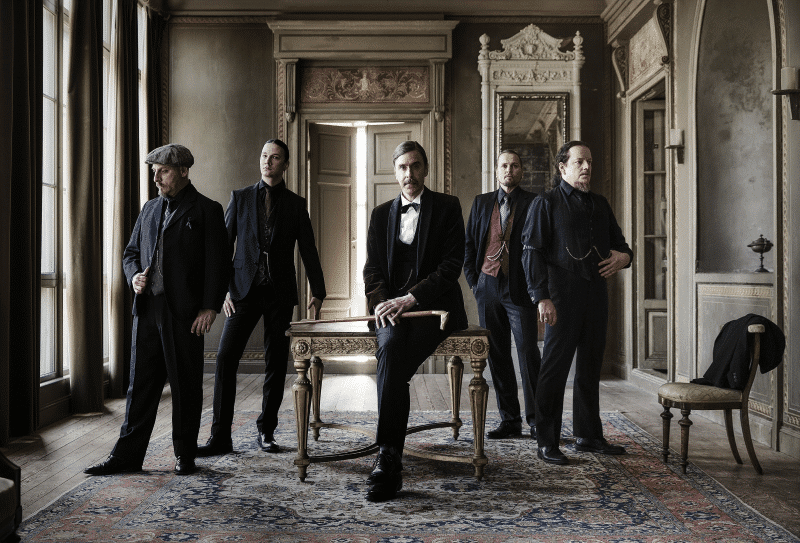
The Crate-Digging Roots: From Bargain Bins to Progressive Greatness
Long before Opeth became one of progressive metal’s defining bands, Mikael Åkerfeldt was a teenager haunting Stockholm record shops in search of anything that sounded remotely like Black Sabbath.
Growing up during the late 1970s and 1980s, buying new records wasn’t an everyday luxury. If one friend managed to pick up the latest Judas Priest album, everyone else crowded around a cassette deck to make copies before the tape wore thin.
Then the music industry accidentally handed him an education.
As CDs exploded in popularity, thousands of listeners dumped their vinyl collections into secondhand shops. Overnight, those stores became treasure caves filled with forgotten progressive rock, psychedelic oddities, and obscure hard rock albums that teenagers like Åkerfeldt could suddenly afford.
Secondhand record stores suddenly overflowed with forgotten treasures, and for a teenager working around music shops with barely enough money to spare, it was like stumbling into buried gold.
Åkerfeldt became obsessed with crate digging. Armed with little more than pocket change and curiosity, he hunted for obscure records from the early 1970s, often judging them entirely by their cover art.
If the sleeve featured enormous sideburns, outrageous flared trousers, mystical artwork, and a release date somewhere between 1971 and 1973, it came home with him.
Those blind purchases opened the door to an entirely different musical universe. King Crimson, Yes, Genesis and Van der Graaf Generator. Bands built around atmosphere, dynamics, and fearless experimentation rather than straightforward aggression.
While much of Sweden’s underground death metal scene focused on becoming faster, heavier, and more brutal, Åkerfeldt quietly absorbed the DNA of progressive rock, folk, jazz, and vintage hard rock.
Years later, those unlikely influences would become the foundation of Opeth’s unmistakable identity. He didn’t abandon death metal, he expanded what it could become.
Side Projects and Collaborations
Although Opeth remains the defining work of his career, Mikael Åkerfeldt has never confined himself to a single creative outlet.
Throughout the decades, he has used side projects and collaborations to explore different corners of his musical personality, from uncompromising Swedish death metal to delicate, cinematic atmospheres.
Eruption – Vocals, Guitar (1987–1990)
Åkerfeldt’s first band, formed when he was just thirteen years old. A raw introduction to Stockholm’s rapidly growing death metal underground that laid the foundation for everything that followed.
Katatonia – Guest Harsh Vocals
Provided the tortured growls on the landmark album Brave Murder Day (1996) and the Sounds of Decay EP, helping shape one of the defining releases of early atmospheric metal.
Bloodbath – Lead Vocals
Fronted the Swedish death metal supergroup as a deliberate return to the filthy HM-2 buzzsaw sound that helped define the country’s extreme metal legacy, most notably on Resurrection Through Carnage.
Storm Corrosion – Co-Writer, Vocals, Guitar
A haunting collaboration with Steven Wilson that stripped away metal almost entirely in favor of psychedelic folk, progressive rock, and unsettling atmosphere, resulting in one of the most unconventional projects either musician has released.
The Accidental Coup: How Mikael Took Control of Opeth
Few legendary careers begin with complete confusion. Opeth’s certainly did. In 1990, vocalist David Isberg invited sixteen-year-old Mikael Åkerfeldt to join his young Stockholm death metal band as its new bass player.
Thrilled by the opportunity, Mikael accepted without hesitation and arrived at the next rehearsal carrying his bass. There was just one problem, nobody else in the band had been told.
As Åkerfeldt walked through the rehearsal room door, the existing bassist and every other member of Opeth stared back in bewilderment. What followed has become one of Swedish metal’s greatest origin stories.
An explosive argument erupted between Isberg and the rest of the lineup over the surprise recruitment. Tempers flared, accusations flew, and before long the original members walked out together, leaving the rehearsal space behind.
When the dust settled, Opeth consisted of exactly two people. David Isberg and Mikael Åkerfeldt.
Instead of accepting defeat, the pair decided to rebuild from the ground up, joking that they would become “the most evil band in the world.” As new musicians gradually joined, Åkerfeldt shifted from bass to guitar and became increasingly central to the band’s creative direction.
Just two years later, Isberg departed following creative disagreements, handing complete control of Opeth to the teenager he had originally recruited as a bass player.
That chaotic rehearsal could easily have ended Opeth before it had truly begun. Instead, it became the moment that changed progressive metal forever.
Tempering the Opeth Sound
The early years of Opeth were anything but stable. Lineup changes came and went as Mikael Åkerfeldt slowly assembled musicians who shared his increasingly ambitious vision.
While many death metal bands of the era focused on becoming faster or more extreme, Opeth began stretching in the opposite direction, embracing longer compositions, shifting dynamics, acoustic passages, and an emotional depth rarely heard within the genre.
As the years passed, the revolving door gradually slowed. The arrival of bassist Martin Mendez and drummer Martin Lopez helped establish one of Opeth’s most celebrated creative eras, while later additions such as guitarist Fredrik Åkesson and keyboardist Joakim Svalberg continued expanding the band’s musical vocabulary.
Although every member left a fingerprint on Opeth’s evolution, Åkerfeldt remained the band’s unmistakable creative center, serving as its principal songwriter, lyricist, vocalist, and artistic compass.
Rather than chasing trends or repeating successful formulas, Opeth built a reputation for doing the unexpected. Each album pushed into new territory while remaining unmistakably Opeth, a balance few bands have managed to maintain over multiple decades.
The Reinvention That Divided the Metal World
Every artist eventually reaches a crossroads. Some spend their careers refining the sound that made them famous. Others decide that repeating themselves is the quickest path to creative stagnation. Mikael Åkerfeldt chose the latter.
By the late 2000s, Opeth had already established itself as one of progressive death metal’s defining bands through landmark releases including Still Life, Blackwater Park, Ghost Reveries, and Watershed.
Rather than continuing to write variations of the same formula, Åkerfeldt found himself increasingly drawn toward the classic progressive rock, folk, jazz, and vintage hard rock that had inspired him since his teenage record-hunting days.
That evolution reached its most dramatic turning point with 2011’s Heritage. For the first time, an Opeth studio album abandoned harsh vocals entirely and the reaction was immediate.
Some longtime fans embraced the change as a natural continuation of the band’s fearless artistic philosophy. Others viewed it as a departure from the sound that had earned Opeth its legendary reputation. Online debates erupted over whether the band had evolved, abandoned its roots, or simply followed its creative instincts wherever they led. More than a decade later, those conversations have never truly disappeared.
The Great Growl Debate
One of the most persistent myths surrounding Mikael Åkerfeldt is that he stopped performing harsh vocals because he permanently damaged his voice. The reality is considerably more nuanced.
Åkerfeldt has acknowledged in interviews that death growls place significant strain on his vocal cords, but he has also explained that the stylistic shift reflected the direction of his songwriting rather than an inability to perform extreme vocals.
As Opeth’s compositions leaned further into progressive rock, vintage keyboards, and clean vocal melodies, harsh vocals simply became less central to the music he wanted to create. Importantly, he never lost the ability.
Fans who have attended Opeth concerts over the past decade know that when the setlist reaches classics such as “Ghost of Perdition,” “The Drapery Falls,” or “Deliverance,” Åkerfeldt still delivers the growls with remarkable power and precision. The capability never disappeared. The songs simply demanded different tools.
Whether listeners prefer the band’s death metal years or its progressive rock era, the decision ultimately reflected an artist following his own creative instincts rather than audience expectations.
Deliverance and Damnation: Two Sides of the Same Mind
Few moments in Opeth’s career demonstrate Åkerfeldt’s artistic range more clearly than the release of Deliverance and Damnation.
Released only months apart in 2002 and 2003, the companion albums represented two completely different sides of the same songwriter.
Deliverance embraced crushing riffs, labyrinthine song structures, and some of the heaviest material Opeth had ever recorded. It remains a cornerstone of progressive death metal and a favorite among fans who gravitate toward the band’s darker side.
Damnation took the opposite approach. Built almost entirely around clean vocals, melancholy melodies, acoustic textures, and restrained performances, it deliberately abandoned nearly every convention associated with extreme metal. Produced with Steven Wilson, the album revealed a quieter, deeply emotional side of Opeth that many listeners never expected.
At the time, Damnation divided the fanbase. Some listeners dismissed it as too soft or too far removed from the band’s heavier identity, while others immediately recognized its understated brilliance. Time has been kind to the record.
Today, Damnation is widely regarded as one of Opeth’s defining achievements, frequently appearing alongside Blackwater Park, Ghost Reveries, and Watershed in discussions of the band’s greatest work. What once seemed like an unexpected detour is now understood as one of the clearest expressions of Åkerfeldt’s songwriting depth.

Legacy
Mikael Åkerfeldt’s legacy cannot be measured solely by album sales, awards, or influence, although each tells part of the story.
His greatest contribution to heavy music is demonstrating that artistic evolution does not require abandoning authenticity. He challenged the conventions of death metal without dismissing them, expanded progressive music without turning his back on heaviness, and consistently chose curiosity over comfort, even when those choices risked dividing his own audience.
Few musicians have successfully bridged the worlds of extreme metal and progressive rock with the same level of conviction. Fewer still have maintained that balance for more than three decades.
Whether your favorite Opeth album is Blackwater Park, Deliverance, Ghost Reveries, Watershed, or Damnation, one truth remains difficult to argue against: Mikael Åkerfeldt never followed the map. He drew his own.
Essential Listening
Essential Listening for those new to Opeth.
Blackwater Park (2001)
The Leper Affinity, Harvest, The Drapery Falls.
Want the greatest concept album?
Still Life (1999)
Benighted, The Moor, and Face of Melinda.
Want the heaviest riffs?
Deliverance (2002)
A Fair Judgement, Master’s Apprentice, By The Pain I See in Others.
Want haunting beauty?
Damnation (2003)
Windowpane, In My Time of Need, To Rid The Disease
Want the perfect balance?
Ghost Reveries (2005)
Ghost of Perdition, The Baying of The Hounds, The Grand Conjuration.
Want classic Opeth?
Watershed (2008)
Heir Apparent, The Lotus Eater, Porcelain Heart
Want the progressive era?
Heritage (2011)
The Devil’s Orchard, Nepenthe, Folklore.
(Bonus tracks included on special editions of the album feature “Pyre” and “Face in the Snow”.)
Want to hear where they are today?
The Last Will and Testament (2024)
§4, §5, §7.
Hidden Gems: Ten Underrated Opeth Songs
Already know the classics? Start here.
Moonlapse Vertigo (Still Life)
Often overshadowed by “The Moor” and “Face of Melinda,” this intricate masterpiece quietly contains some of Åkerfeldt’s finest clean vocal work.
Karma (My Arms, Your Hearse)
One of Opeth’s earliest examples of balancing brutality with melody, yet rarely mentioned alongside later fan favorites.
Hours of Wealth (Ghost Reveries)
A breathtaking comedown after one of the band’s heaviest albums, proving restraint can be just as devastating as distortion.
Pyre (Heritage – Bonus Track)
Hidden away on special editions, “Pyre” is one of the strongest songs from Opeth’s progressive era and arguably should have made the standard album.
By the Pain I See in Others (Deliverance, 2002)
Overshadowed by the towering title track, this eerie, unpredictable closer is one of Opeth’s darkest compositions. It twists through dissonant riffs, unsettling atmosphere, and one of the band’s most unsettling endings.
Dirge for November (Blackwater Park, 2001)
While everyone talks about “Bleak” and “The Drapery Falls,” this slow-burning tragedy quietly delivers one of Mikael Åkerfeldt’s most heartbreaking vocal performances.
Hessian Peel (Watershed, 2008)
A masterclass in tension and release. It drifts through delicate acoustic passages before exploding into crushing heaviness, making it one of the most adventurous songs of Opeth’s classic era.
The Amen Corner” (My Arms, Your Hearse, 1998)
Overshadowed completely by “Demon of the Fall,” this track is an absolute masterclass in early atmospheric progressive death metal. It starts with an explosive, relentless black metal-adjacent riff before dissolving into a haunting, melancholic acoustic section. The transitions here showcase Mikael Åkerfeldt’s early genius for blending extreme violence with pure acoustic beauty.
Derelict Herds (Watershed Bonus Track, 2008)
Because it was relegated to bonus-track status on the special edition of Watershed, a huge chunk of the fanbase has never even spun it. It features some of the most angular, dissonant, and avant-garde riffing Åkerfeldt has ever written, punctuated by terrifying keyboard swells and erratic time signatures. It’s an absolute powerhouse of technical, unsettling prog.
Faith in Others (Pale Communion, 2014)
When Opeth dropped the growls and fully embraced 70s progressive rock, a segment of the old-school crowd completely tuned out. If you missed this album closer, you missed what Mikael himself has called one of the single best songs he has ever written. Backed by stunning, melancholic string arrangements, it delivers a jaw-dropping emotional weight that rivals anything from the Damnation era.
Complete Opeth Studio Discography
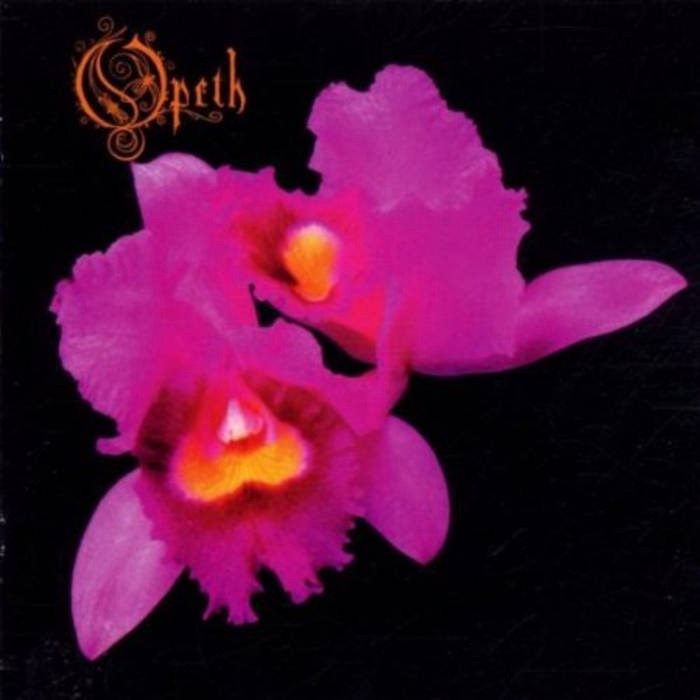
Orchid (1995)
Opeth’s haunting debut introduced the band’s unique blend of death metal, progressive rock, and acoustic passages such as “Under the Weeping Moon,” “The Apostle in Triumph.” Some reissues (such as the Century Black edition) and vinyl releases also include the bonus track “Into the Frost of Winter.”
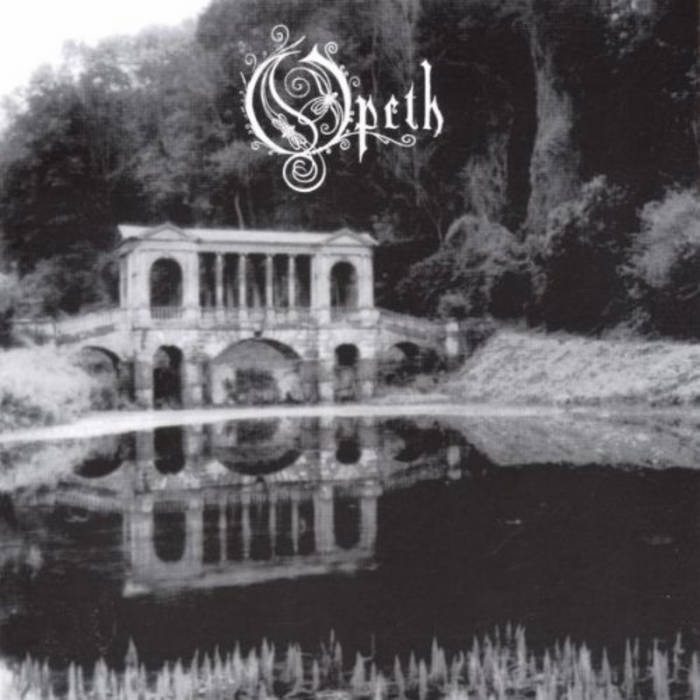
Morningrise (1996)
Longer, more ambitious compositions pushed the band’s progressive songwriting into epic territory with tracks like “Black Rose Immortal,” and “To Bid You Farewell.” “Eternal Soul Torture” is a demo bonus track included on select CD and LP reissues.
My Arms, Your Hearse (1998)
The band’s first concept album and a major leap forward in songwriting, atmosphere, and emotional depth. Stand out songs include “April Ethereal,” “Demon of the Fall,” and “The Amen Corner”. Reissues of Opeth’s My Arms, Your Hearse include two bonus tracks: “Circle of the Tyrants” (Celtic Frost cover) and “Remember Tomorrow” (Iron Maiden cover)
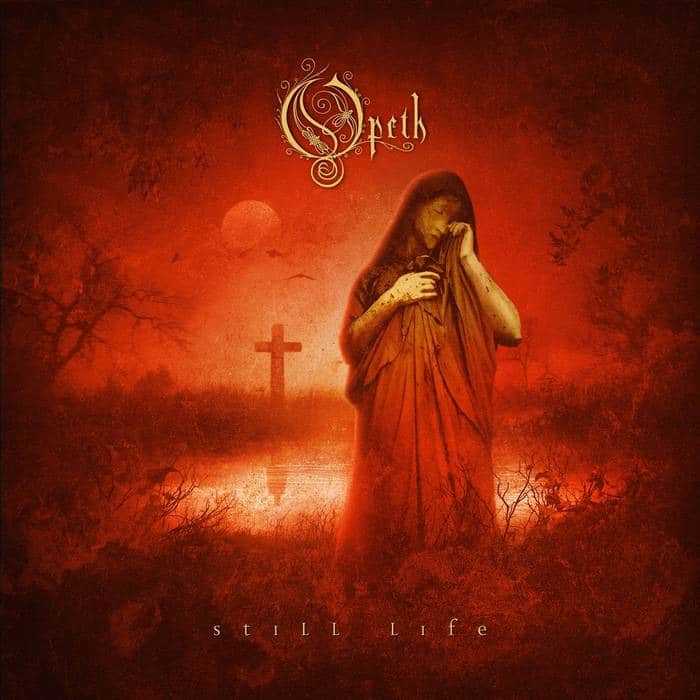
⭐ Caine’s Recommendation: Still Life (1999)
A beloved concept album featuring some of Opeth’s most memorable compositions, including “The Moor,” “Face of Melinda,” and “Benighted.”
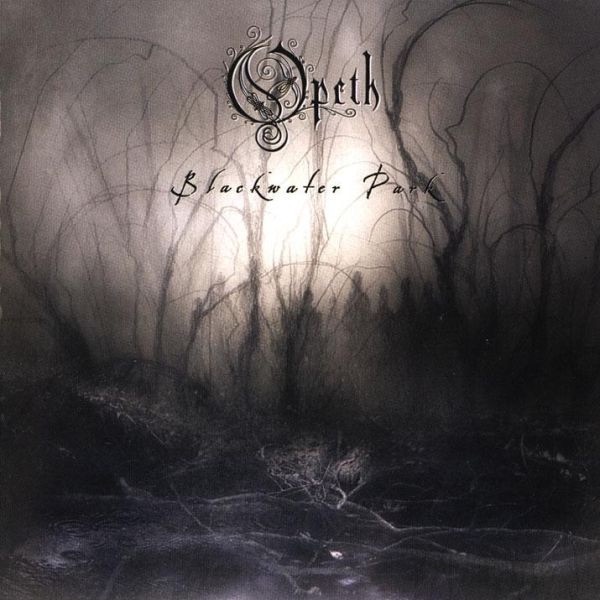
Blackwater Park (2001)
Widely regarded as Opeth’s breakthrough masterpiece, produced with Steven Wilson and considered one of progressive metal’s greatest albums with tracks such as “Bleak,” and “The Funeral Portrait.” Studio Bonus Tracks: “Still Day Beneath the Sun” and “Patterns in the Ivy II”. Live Bonus Tracks: A live recording of “The Leper Affinity”.
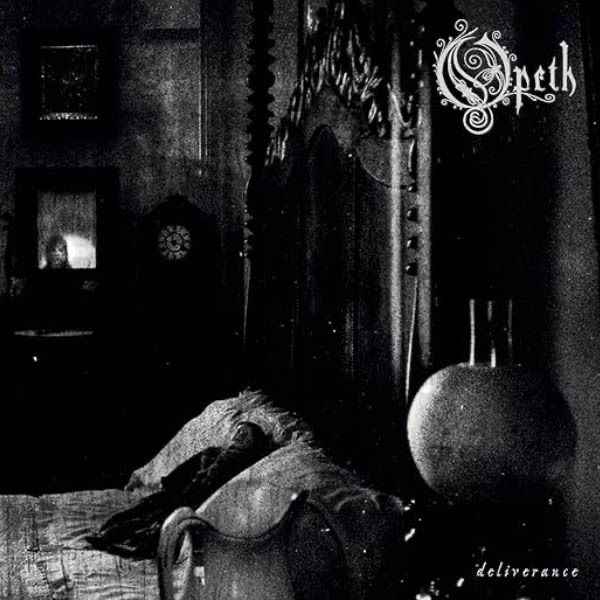
Deliverance (2002)
Opeth’s heaviest studio album, showcasing crushing riffs, complex arrangements, and one of metal’s most legendary outros. The album features six heavy, progressive metal tracks.
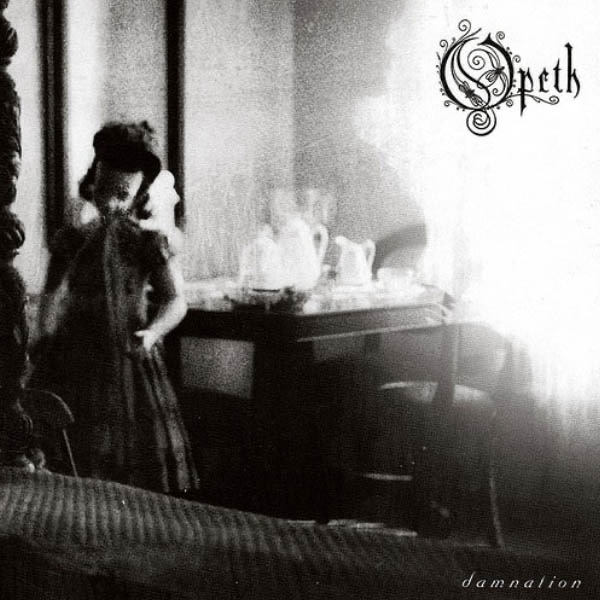
Damnation (2003)
An all-clean vocal companion to Deliverance that revealed the band’s softer, melancholic side. It’s a fantastic album caught between two absolute god-tier records. While it rarely gets the attention it deserves, its melancholy, rain-soaked atmosphere gives it a character all its own.
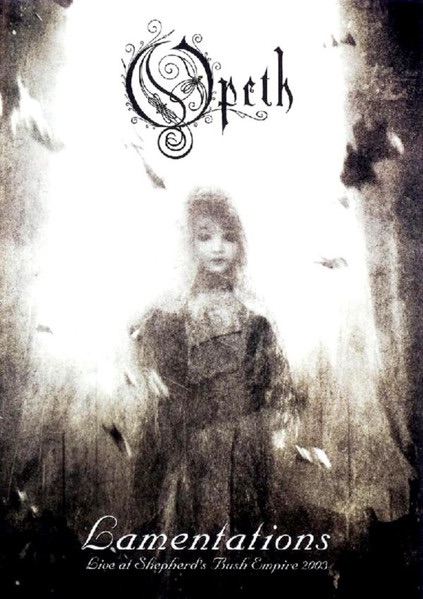
Lamentations (Live at Shepherd’s Bush Empire) (2003) – Recorded in London, featuring a special acoustic-focused set and the entirety of their Damnation album.
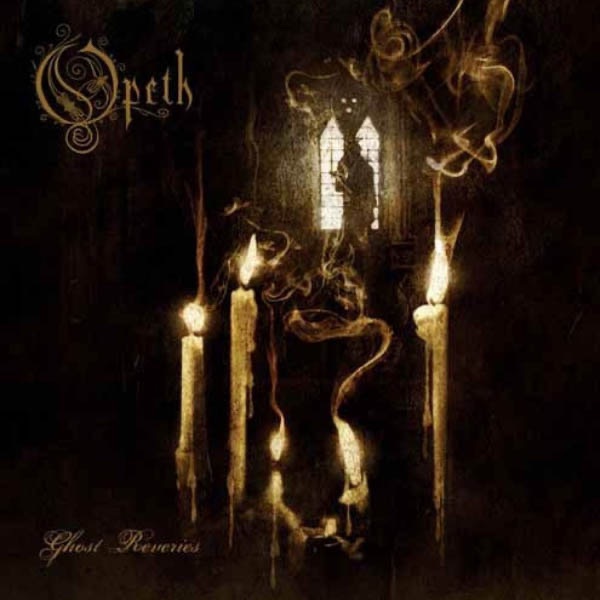
Ghost Reveries (2005)
A fan favorite that perfectly balances progressive rock, death metal, and unforgettable songwriting. The Special Edition re-release of Ghost Reveries features a cover of Deep Purple’s “Soldier of Fortune.” Other Special Edition Features: Aside from the bonus track, this reissue includes a bonus DVD with a documentary on the making of the album, a 5.1 surround sound mix, and a director’s cut for “The Grand Conjuration” video.
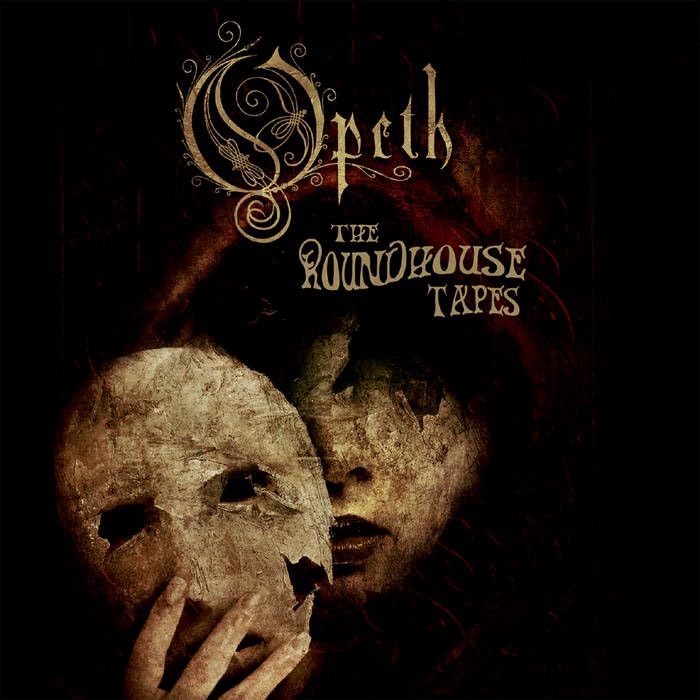
The Roundhouse Tapes (2007) – A fan-favorite live recording from London’s Camden Roundhouse, showcasing a career-spanning setlist from the Ghost Reveries era.
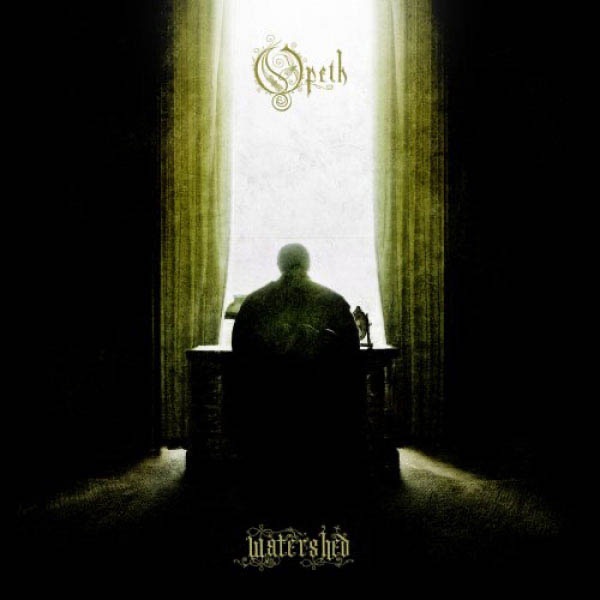
Watershed (2008)
The final Opeth album to feature Mikael Åkerfeldt’s signature death growls throughout before the band’s stylistic shift. The Special Edition and vinyl reissues of Watershed feature up to three core bonus tracks, along with a highly sought-after rare synth variant. The breakdown of the bonus tracks includes: “Derelict Herds,” “Bridge of Sighs,” “Den Ständiga Resan” (The Constant Journey) and “Mellotron Heart” (Rare Limited Bonus) This was originally included on a separate bonus disc with a very limited number of initial copies. It is a fascinating alternate recording of “Porcelain Heart” performed entirely on Mellotron and mini-Moog synthesizers.
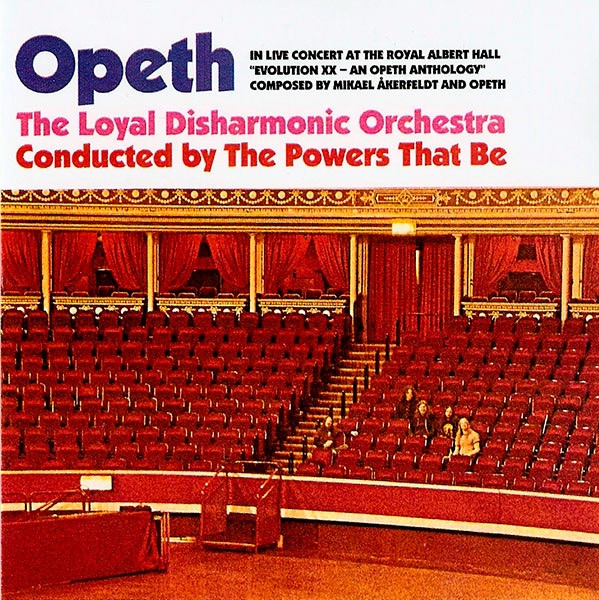
In Live Concert at the Royal Albert Hall (2010) – Celebrates the band’s 20th anniversary, featuring two distinct sets: the entirety of Blackwater Park and other classic tracks.
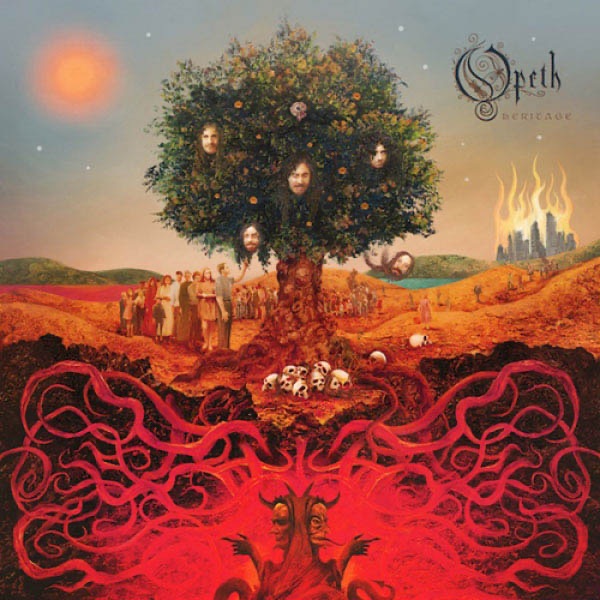
Heritage (2011)
A bold reinvention that embraced vintage progressive rock and divided fans while opening a new creative chapter. There’s a Special Edition Heritage that features two beautiful, atmospheric bonus tracks that complement the album’s massive pivot into 1970s progressive rock. “Pyre”, and “Face in the Snow.”
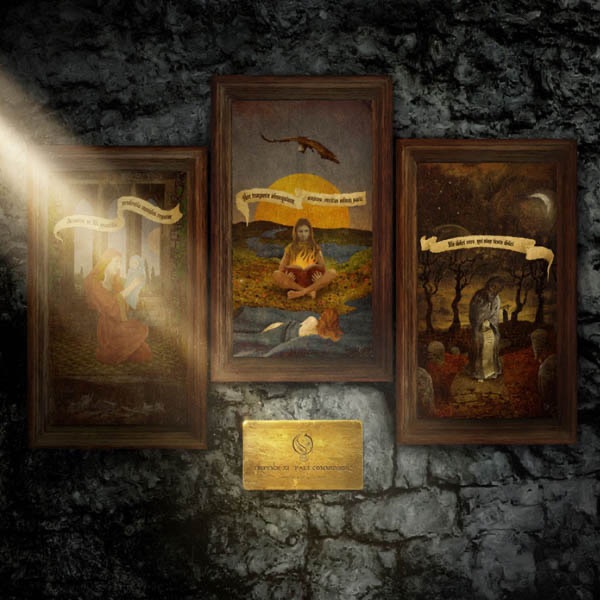
Pale Communion (2014)
A richly layered progressive rock album that refined the direction introduced on Heritage with tracks like “Eternal Rains Will Come,” “Cusp of Eternity,” and “Faith in Others.”
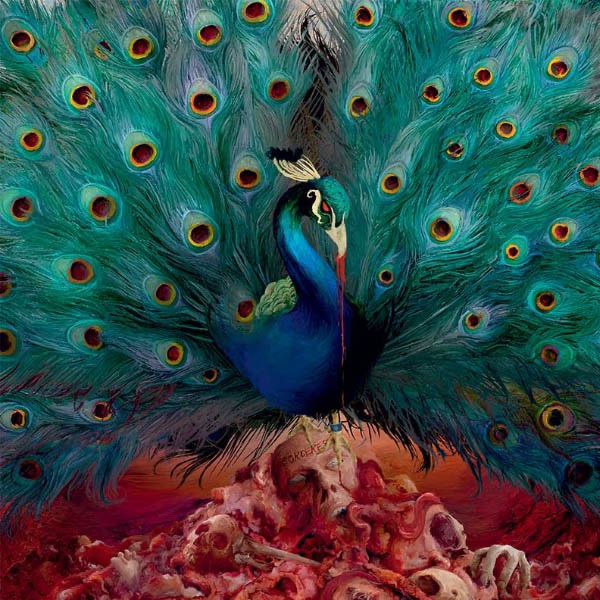
Sorceress (2016)
A heavier, darker progressive record filled with vintage influences and dynamic songwriting. The limited edition and expanded versions of Opeth’s Sorceress feature a bonus disc. There are two new studio tracks and three live tracks included in these releases. “The Ward,” “Spring MCMLXXIV,” and live bonus tracks of “Cusp of Eternity,” “The Drapery Falls,” and “Voice of Treason” (Live with The Plovdiv Philharmonic Orchestra)
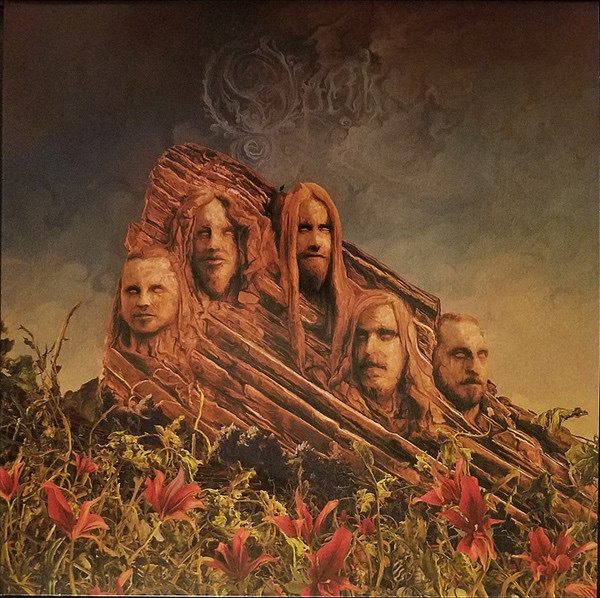
Garden of the Titans (Live at Red Rocks Amphitheatre) (2018) – Recorded at the iconic Red Rocks Amphitheatre in Colorado.
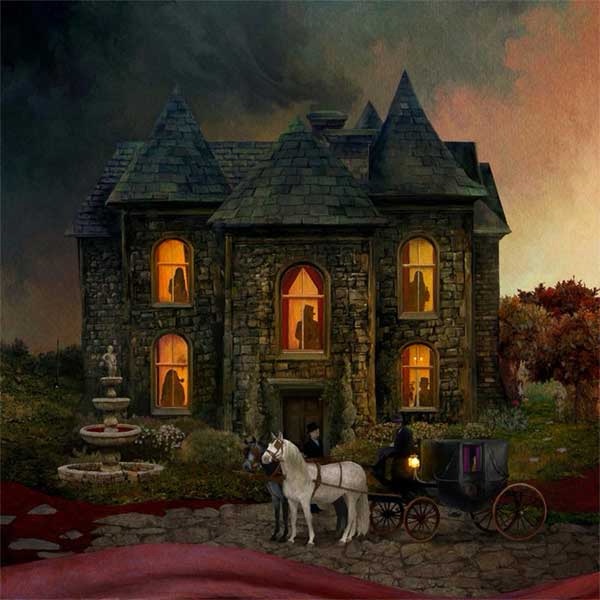
In Cauda Venenum (2019)
Released in both Swedish and English versions, the album showcased some of Opeth’s most cinematic and emotionally mature compositions with standout tracks “Heart in Hand,” “Lovelorn Crime,” and “Dignity.” The In Cauda Venenum (Extended Edition) and Connoisseur Edition by Opeth feature three unreleased, previously exclusive bonus tracks. Because the album was recorded in both English and Swedish, the band released these bonus songs in both languages, making six tracks in total. “The Mob” / Pöbeln, “Width Of A Circle” / Cirkelns Riktning and “Freedom & Tyranny” / Frihet & Tyranni.
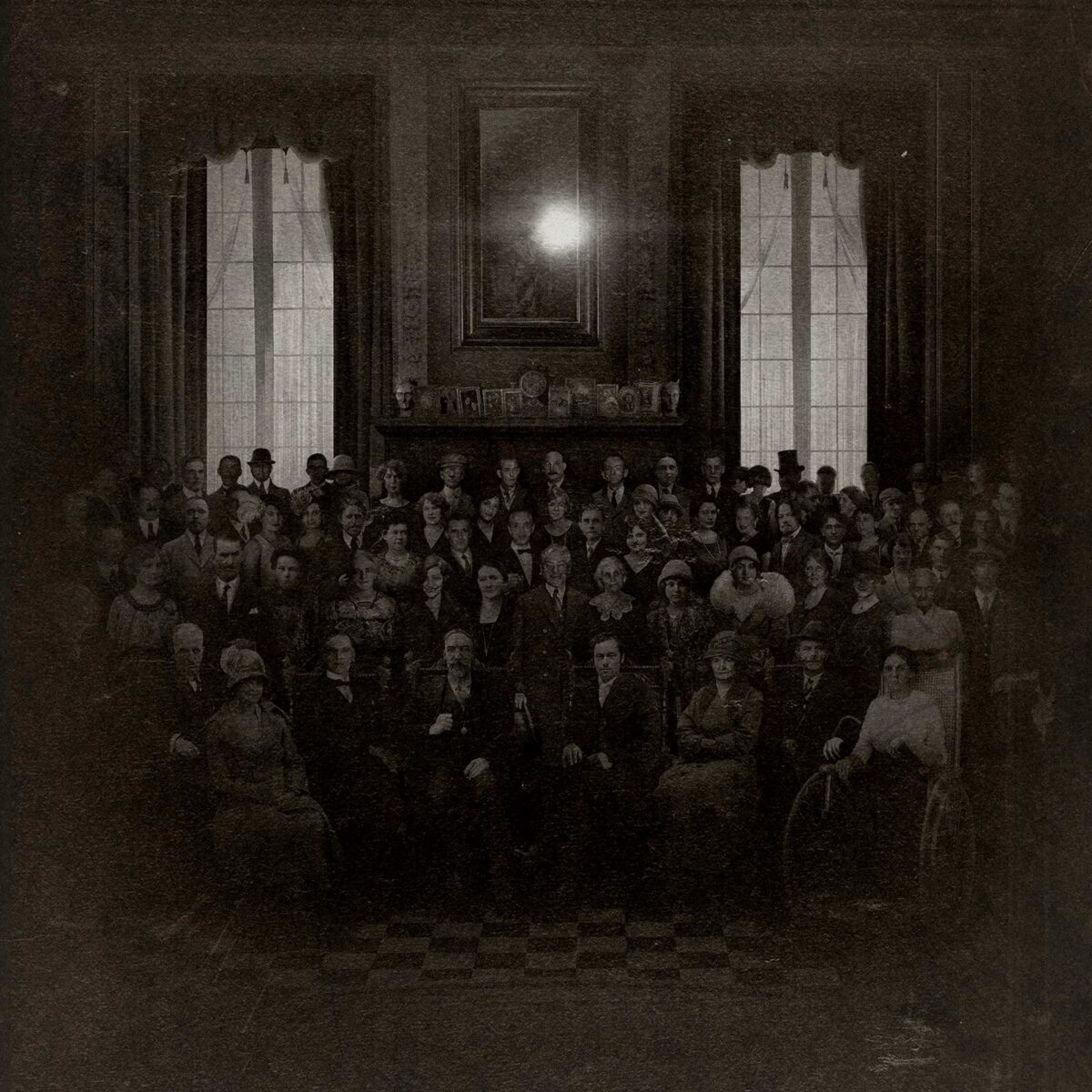
The Last Will and Testament (2024)
A theatrical concept album that marked the long-awaited return of Mikael Åkerfeldt’s death growls to the studio after sixteen years, while continuing Opeth’s progressive evolution. Stand out tracks include “§1” (Paragraph 1), “§2” (Paragraph 2) and “§3” to “§7” continuing the concept. There have been multiple highly sought-after, limited-edition first-press variations, including the Blu-Ray Dolby Atmos bundle, White/Brown/Black Inkspot pressings, and exclusive colored variants sold directly on their tours.
Metal Mythology: The Lost Opeth Vault
Fair warning: What follows wanders into the strange territory where documented history ends and heavy metal folklore begins.
Every legendary band collects stories that refuse to die. Some are backed by interviews and old tape-trader circles.
Others exist only as whispers passed between collectors, message boards, and fans who swear they once knew someone who heard a cassette that nobody else has ever managed to find.
Whether every detail is true is almost beside the point. The myths have become part of Opeth’s legacy.
The Gatekept Grail: Whispers of Golgotha (1994)
Among longtime Opeth collectors, few stories inspire more fascination than “Whispers of Golgotha.”
According to years of fan lore, the composition existed before eventually evolving into the monumental “Black Rose Immortal” on Morningrise. The rumored early version is said to have been shorter, structurally different, and missing entire movements that would later become part of the finished epic.
The legend goes even further. Some fans claim fragments of the song were briefly played during a mid-1990s soundcheck, while others insist a rehearsal cassette still survives somewhere in the hands of an old tape trader who has never allowed it to be copied or released.
Has any of this ever been conclusively verified? Not publicly. But the mystery has only made “Whispers of Golgotha” one of the most talked-about ghosts in Opeth history.
The Rotted Cassette: The Lost Morningrise Instrumental
This story has a little more substance behind it.
Mikael Åkerfeldt has spoken about an unreleased instrumental piece written with drummer Anders Nordin during the Morningrise sessions that ultimately never made the album because of studio time and budget limitations.
As Mikael later recalled:
“Me and Anders had actually written an instrumental piece that was meant to appear on this album… which actually was a shame as this piece was fucking great!”
Everything beyond that begins slipping back into folklore.
Some fans believe an old rehearsal cassette may have survived for years among Mikael’s personal archive before deteriorating with age. Others argue the recording was never completed in any meaningful form to begin with.
Whatever the truth may be, the music has never surfaced publicly, leaving fans to imagine what could have been one of Opeth’s earliest progressive centerpieces.
The Sörskogen Vault
Then there is Sörskogen, Mikael Åkerfeldt’s wonderfully obscure mid-1990s collaboration with producer Dan Swanö.
Most devoted fans know “Mordet i Grottan,” the lone song to emerge from the project and one that eventually donated musical ideas to “To Rid the Disease” years later. But that’s where the rumors begin.
Collectors and longtime fans have long whispered about additional Sörskogen home demos carrying titles such as “Den första maj,” “Stupet,” and “Byan.” Stories have even circulated for years about a Super 8 film reportedly shot for the project that has never surfaced outside a tiny circle of people.
None of these tales have been conclusively verified, and they remain firmly planted in the realm of Opeth folklore. Maybe the tapes still exist, maybe they disappeared decades ago.
Or maybe they’re destined to remain one of progressive metal’s greatest unsolved mysteries. Sometimes the hunt is more entertaining than the answer.
A Note to Mikael…
If you happen to stumble across this profile, help us settle the debate.
How much of this is genuine history, and how much has grown into heavy metal folklore over the years?
And if there’s even a dusty box in the attic holding forgotten demos, rehearsal tapes, or half-finished ideas… consider this our completely shameless request to let the world hear them someday.
Metal fans have been chasing these stories for decades. We’d love to know which legends are real.
Three Things Even Hardcore Opeth Fans Might Not Know
1. The Martins’ Audition Heist (1997)
When original bassist Johan De Farfalla and drummer Anders Nordin left the band after the Morningrise tour, Mikael was left entirely without a rhythm section. He walked into a local Stockholm music shop and taped a handwritten “Musicians Wanted” flyer to the bulletin board.
A young, Uruguayan-born drummer named Martin Lopez (formerly of Amon Amarth) and his childhood friend, bassist Martín Méndez, happened to spot the flyer.
They were already massive fans of Opeth’s first two albums. Instead of just writing down the phone number, they physically ripped the flyer off the wall and threw it in the trash so that absolutely no other musicians in the city of Stockholm could apply for the job.
The desperate gatekeeping trick worked perfectly; they were the only ones who called, nailed the audition, and formed the definitive, classic era lineup of the band.
2. Title Track Easter Eggs: A Record Collector’s Map
Casual fans look at album titles like Blackwater Park or tracks like “Master’s Apprentices” and think Mikael is just spinning beautiful, dark imagery. In reality, those titles are a literal road map of his private 1970s vinyl collection.
Blackwater Park is actually a hyper-obscure, one-album-wonder German progressive hard rock band that put out a single LP called Dirt Box in 1972.
The Master’s Apprentices were a 1960s/70s Australian psychedelic progressive rock band that Mikael obsessed over.
“Goblin” (from Pale Communion) is a direct, unadulterated homage to the 1970s Italian synth-prog masters Goblin, famous for scoring horror director Dario Argento’s films like Suspiria.
3. The Dark Cartoon Blueprint: Toki Wartooth
For fans of adult animation, this is the ultimate crossover fact. Series creator Brendon Small officially confirmed that the character of Toki Wartooth, the sweet-natured, soft-spoken, yet brutally talented rhythm guitarist of the fictional metal band Dethklok in Metalocalypse – is visually and behaviorally modeled directly after Mikael Åkerfeldt.
Small wanted to capture that exact, uncanny juxtaposition that Mikael possesses: an incredibly gentle, witty, tea-drinking Swedish guy off-stage who turns into an absolute growling titan the second the distortion pedals click on.
Metal Legacy Profiles A Metal Lair™ Original Series
METAL LEGACY PROFILES Q&A
Q: What is a Metal Legacy Profile?
A: Metal Legacy Profiles explore the artists who changed the course of heavy music. Rather than simply recounting a career, each profile examines the music, defining moments, creative evolution, and lasting influence that continue to shape metal decades later.
Q: How is this different from a band biography or history article?
A: Traditional biographies tend to follow a chronological timeline. Metal Legacy Profiles are built around legacy. They blend history, musical analysis, cultural impact, and the human story behind the artist to answer a bigger question: Why is this musician still important today?
Q: Why doesn’t every album or era receive equal coverage?
A: Not every chapter of an artist’s career carries the same weight. Each profile focuses on the recordings, performances, collaborations, and turning points that had the greatest impact while still acknowledging the broader journey.
Q: Who is featured in Metal Legacy Profiles?
A: The series celebrates artists whose influence extends beyond record sales or chart positions. Whether they transformed a genre, inspired generations of musicians, or left an enduring cultural mark, every featured artist earned a place in metal history.
Q: Who writes Metal Legacy Profiles?
A: Metal Legacy Profiles are written by the Metal Lair editorial team, with each feature researched and crafted to balance historical accuracy, musical insight, and thoughtful storytelling.
Q: Does Metal Lair have other weekly series?
A: Absolutely, Try:
- Deep Cuts – Metal’s Hidden Gems and lost recordings from rock and metal history.
- Seven Deadly Songs – A weekly roundup of the most unholy new releases
- Metalhead Horoscopes – Weekly forecasts laced with riffs, attitude, and a lucky song for every sign.
- World Metal Weekly – A global passport through the underground, one country at a time.
- Women in Metal – A series celebrating the voices, pioneers, and rule-breakers reshaping heavy music’s DNA.
- Ministry of Metal – A satirical authority devoted to the laws, rituals, and unspoken rules of heavy music. Features proclamations, decrees, cultural edicts, metal lore, and an original comic book series, all delivered with humor and bite.
- Road Riffs: Metal On The Map – We take metal beyond the speakers and onto the highway, exploring legendary venues, scene-defining cities, historic landmarks, local haunts, and travel stops tied to real
metal scenes around the world that every metalhead should experience.
About The Author
Caine Blackthorn writes music news, trending topics, commentary, and feature pieces for Metal Lair with a focus on the shifting culture surrounding rock and heavy metal. From rising ticket prices and touring collapse to legacy artists, industry absurdity, and the changing soul of live music, his work blends sharp observation with the grit, humor, and frustration of the scene itself. Whether covering modern chaos or metal history, Caine approaches heavy music as something lived through, not simply reported on.
Read More From This Author:
The Death of The Mosh Pit? How Phones, Social Media, and Modern Concert Culture is Changing The Pit
The New Wave of Metalheads: How Gen Z Fell in Love With Heavy Metal
Digital DNA or Artificial Sacrilege? The Battle Over Ozzy’s Immortal Avatar
No algorithms. No fluff. No watered-down corporate metal coverage.
Subscribe to Metal Lair and get weekly underground features, Seven Deadly Songs, Deep Cuts, interviews, and original metal journalism sent directly to your inbox.
Join the patrons of Metal Lair
MetalLair.net is a metal zine muttering to itself about seo and blastbeats at 3 AM powered by caffeine, riffs, a severe lack of sleep, and a dog wondering why the human is still awake.
Sometimes it’s Kevin passing out mid Seven Deadly Songs.
Sometimes it’s digging up forgotten records no one else is talking about.
Always, it’s built for people who actually live this music.
If that sounds like you, you’re already one of us.
Supporting Metal Lair means keeping it independent, loud, and real with no corporate filters, no watered-down takes. If you want to help keep it alive…
Become a patron of Metal Lair.