Deep Cuts Metals Hidden Gems – September 28, 2025
Written by Lucien Drake
You know the thrill of crate-digging, the smell of old cardboard sleeves, the hiss of a tape that’s seen more basements than daylight. The first track on this week’s Deep Cuts Metals Hidden Gems mixtape isn’t some playlist-friendly stream; it’s a relic I dragged off a dusty shelf and slapped into the deck.
We’re starting with Nightfall – “Enormous / The Anthem of Death” (1992 demo). Before Parade into Centuries, before the cult status of Macabre Sunsets or the scandal of Lesbian Show, there was this raw, tape-traded specter of Greek doom/death. Passed hand-to-hand in the underground, this song is proof that Nightfall’s darkness wasn’t born polished, it clawed its way up from the shadows.
That’s the energy for this weeks Deep Cuts Metals Hidden Gems. Ten tracks pulled from the forgotten corners, the overlooked bins, the stuff you only find if you’re listening with your fingernails dirty from dust and ink. Nightfall opens the gate. Let’s dive in.
Deep Cuts: Nightfall: Enormous – The Anthem of Death (1992 Demo)
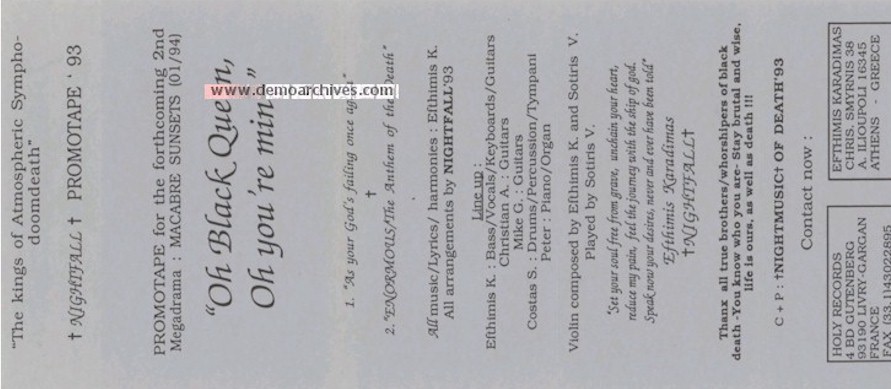
Image: Original 1993 promo cassette featuring “Enormous / The Anthem of Death.” Source: DemoArchives.com
Before their gothic theatrics and doom-laden epics, Nightfall were already shaping the shadows of Greek metal with raw blasts like “Enormous / The Anthem of Death.” This 1992 demo isn’t just another forgotten relic, it’s a window into the cassette culture that defined an era, when underground gems spread hand-to-hand and whole worlds of sound lived outside the official release cycle.
Listening now, you hear the hunger, the flaws, the feral beauty of a band sharpening its teeth. That’s what makes this a perfect opener for Deep Cuts Metals Hidden Gems. It reminds us that greatness doesn’t always arrive polished. Season of Mist may be carrying Nightfall’s torch in the present day, but their roots still hiss and growl in analog grain.
With their eleventh studio album, Children of Eve via Season of Mist, the Athenian titans return with their most powerful and unrelenting work yet. It’s an album that blends massive, gothic-infused blackened death metal with deeply personal themes of pain, resilience, and rebellion. Hearing where they are now makes that 1992 demo even more vital, the raw seed that grew into this towering force. That’s why Nightfall belongs at the front of Deep Cuts Metals Hidden Gems: a band who started in cassette culture’s shadows and still stand fierce today.
If you want to hear how far they’ve come since those demo days, check out our Interview With Efthimis Karadimas of Nightfall for insight straight from the frontman himself.
Deep Cuts: Maniac Spider Trash – God Bless the Creeps: Dumpster Mummies (1994)
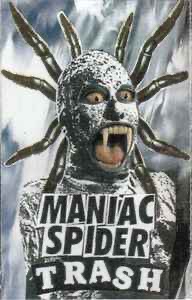
Before Wednesday 13 was prowling stages with Frankenstein Drag Queens from Planet 13, Murderdolls or fronting his horror-glam solo project, he was knee-deep in the slime of Maniac Spider Trash. This is the quintessential entry for Deep Cuts Metals Hidden Gems. A short lived North Carolina horror-punk outfit that embodied VHS sleaze and lo-fi menace. Their 1994 demo Dumpster Mummies is a cassette cult relic, passed around by diehards like contraband scripture.
Buried on that tape is “God Bless the Creeps,” a track that never found its way onto later re-recordings or polished releases. Raw, snotty, and brimming with the tongue-in-cheek morbidity that would later become Wednesday’s signature, it’s a snapshot of a band still mutating, equal parts punk sneer and B-movie sleaze.
The song plays like a manifesto for outcasts: a chaotic blessing for every freak, misfit, and midnight ghoul who found salvation in horror punk’s gutter theatrics. Long before Wednesday 13 became a recognizable name in metal’s underworld, “God Bless the Creeps” was already sketching out the blueprint.
In the pantheon of forgotten demos, this one’s special. Not because it’s flawless, but because it’s honest. It captures a band clawing for identity with nothing but duct tape, distortion, and a pack of Winston cigarettes.
If you ever stumble across an original Dumpster Mummies cassette, guard it with your life. For collectors, this isn’t just a tape, it’s a tombstone pressed in plastic, marking where Wednesday 13’s graveyard journey really began.
“The only surviving versions of God Bless the Creeps float around in demo form, often through fan uploads. The audio is raw and lo-fi, but that’s the charm: it’s a time capsule of Wednesday 13’s earliest horror-punk roots. You can hear one such version below.”
“Time out from the deep-cut archaeology. We’re pausing this riff dissertation to present our NSFW(ish) Metal Sex Playlist: the most sinful setlist in heavy music.” 😏 “Metal Lair Research Dept. requests your… hands-on data. Test the playlist and submit your findings here in the comments.
Deep Cuts: Exhorder: Slaughter in the Vatican Demo Version, (1987)

Artwork: Heavy Metal Rarities
Before Pantera ever reinvented themselves as the kings of groove metal, Exhorder were already churning out riffs that felt like crowbars to the ribcage. Their Slaughter in the Vatican demo from ’87 isn’t just a tape, it’s underground currency, passed hand to hand in underground clubs and smoky bedrooms, whispered about like contraband scripture. And thats why they are included in this weeks Deep Cuts Metals Hidden Gems.
The production is filthy, the edges jagged, but the energy? Untouchable. It’s the kind of recording that sounds like it could collapse the ceiling above your head, and for decades, diehards have sworn this is where the real groove metal blueprint was sketched out. Rare as hell, raw as blood, this is Exhorder at their hungriest and it’s still nastier than half the stuff polished in million-dollar studios today.
Deep Cuts: System of a Down – Friik (Demo 4) 1997

If you only know SOAD from the polished chaos of Toxicity or the meme war bite of “Chop Suey!,” then Friik is going to blindside you. This is System before the world was watching, back when they were still mutating in the shadows in the LA underground. With sweat, paranoia and riffs held together with duct tape and desperation.
Friik doesn’t play nice. It’s jagged, demo-quality, and all the better for it. Serj’s vocals don’t just sing, they twitch, hiss and erupt. One moment he’s whispering like a prophet on too much coffee, the next he’s tearing his throat open on lines about burning oceans and sleepless minds. You can smell the basement walls in this recording, you can feel the mic clipping. That’s not a flaw, that’s a goddamn time capsule.
The riff itself? Primitive but dangerous, like a knife made out of rebar. It’s not about finesse, it’s about motion. The start, stop, lurch and collapse. You hear the DNA of what would later become their full blown art-metal weirdness, but here it’s still dripping and half formed, the larval stage of a monster.
What kills me is how Friik already shows the thing that made SOAD untouchable: that total lack of shame in being ugly, absurd, and poetic all at once. You get Serj’s brain spilling in surreal flashes, angelic demons, transparent mountains and insomnia as a spiritual plague. Nobody else in ’97 was writing like this in metal, period. This was Armenian theatre smashed into LA hardcore, and it sounded like nothing else.
Standout spin: “Friik” (Demo 4, 1997) — two minutes and forty-four seconds of raw hunger, no polish, all nerve endings.
This isn’t just a song, it’s a reminder that great bands don’t emerge clean. They claw their way up, half-feral, with demo cuts like this that sound too wild for radio but too alive to ignore. If you want to understand why System of a Down detonated the way they did, you start here, in the dirt, with Friik. Another great discovery for our weekly Deep Cuts Metals Hidden Gems series.
Deep Cuts: Limp Bizkit – Crack Addict (2003)

“Limp Bizkit, early 2000s. No official artwork exists for ‘Crack Addict’ — this band promo is as close as we get to a face for the unreleased single.”
If there’s a single song that captures the collapse of nu-metal’s empire in real time, it’s Crack Addict. This was supposed to be Limp Bizkit’s comeback hammer after Wes Borland’s exit written for WrestleMania XIX (2003), hyped as the new single, even teased live. Then? Gone. Shelved. A track that never made it to Results May Vary, left to circulate in the shadows of fan forums and live bootlegs.
Musically, Crack Addict is exactly what the title promises, ugly, twitchy, and wired to explode. The riff is pure Durst-era swagger, like Break Stuff dipped in battery acid. The hook is brainless in the best way, Fred barking “CRACK ADDICT!” like he’s both the diagnosis and the cure. It’s one of those songs where you don’t overthink, you just picture fists in the air, bodies flying over barricades, and Vince McMahon secretly nodding in approval.
And here’s the kicker: if this had been properly released, it might’ve changed the band’s trajectory. Instead of Results May Vary limping along with half-baked ballads and no Wes magic, they could’ve kicked the door down with this nasty little anthem. But because it leaked half-formed, it’s lived on as a myth. The Limp Bizkit deep cut that got away.
Standout spin: “Crack Addict” live at WrestleMania XIX promo, or the demo leaks floating on YouTube. Grainy, imperfect, but dripping with that chaotic nu-metal DNA.
Why it matters:
Because sometimes the songs that don’t make the record tell the real story. Crack Addict is the ghost limb of Limp Bizkit. Raw proof that even at their lowest point, they still knew how to write a pit-destroyer.
“For a deep dive into how MTV betrayed heavy music and why Headbangers Ball still matters check out our full op-ed on the rise and fall of metal’s most iconic show.”
Deep Cuts: Trivium – Ascent of The Phoenix (2008)
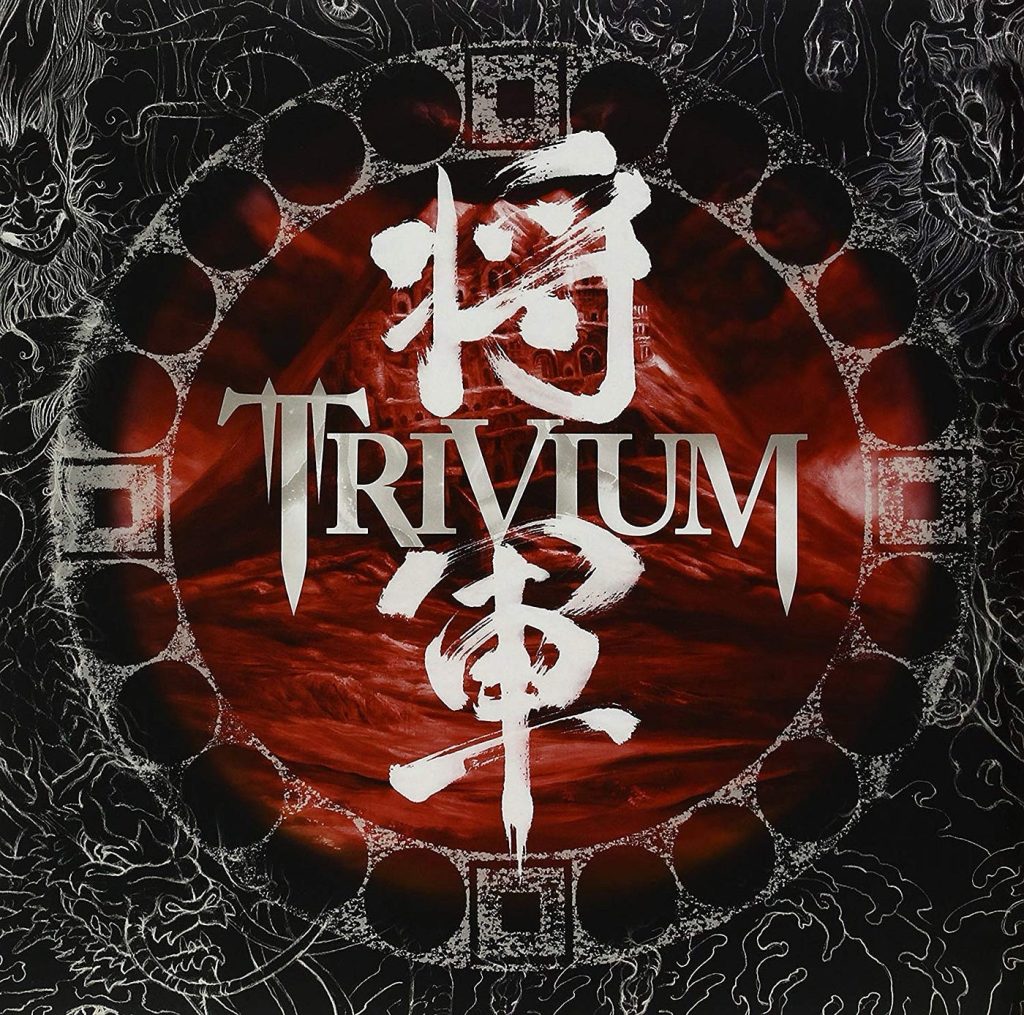
We really went crate digging for this induction into this weeks Deep Cuts Metals Hidden Gems. “Trivium demoed a song called ‘Ascent of the Phoenix’ during the Shogun sessions in 2008, but it was never released. It was recorded in 2008 with producer Nick Raskulinecz (Foo Fighters, Alice in Chains, Rush) at Sound Kitchen studios in Nashville, Tennessee, and released September 23, 2008.
You want the real definition of a tease? Trivium demoed a song called “Ascent of the Phoenix” during the Shogun sessions. A title so goddamn metal it practically writes its own festival poster, and then buried it. Never released. Not on deluxe reissues, not floating around YouTube in demo form, nothing. Just a rumor with claws.
Now, Shogun itself was Trivium swinging for the fences: 11 tracks, nearly 80 minutes, Matt Heafy stretching his throat between blackened shrieks and arena anthems, and riffs sharp enough to shave a mammoth. It was maximalist to the core, the album where they said “yeah, let’s write a twelve-minute prog-thrash odyssey and make it track six.”
So why shelve a song with a name like “Ascent of the Phoenix”? Maybe it was a casualty of the album’s excess at 80 minutes, one more track might’ve tipped it from sprawling to suffocating. Maybe Roadrunner wanted leaner singles, not another prog-thrash odyssey with talons. Or maybe Heafy, ever the perfectionist, decided it wasn’t carved sharp enough to survive in Trivium’s war chest. Whatever the reason, it stayed buried. And that’s the sting: bands shelve songs all the time, but this one had the title, the timing, and the aura to be a crown jewel. Instead, it became legend, the phoenix that burned before it could ever rise.
This is the kind of stuff that keeps me crate-digging. Deep Cuts isn’t just about finding some Chilean death-doom band with 37 monthly listeners (though hell yes, we do that too). It’s about unearthing ghosts like this, songs we’ll probably never hear, but that live on as legends. And honestly? Sometimes the myth hits harder than the riff.
Trivium — if you’re reading this, crack the vault. Metal needs its phoenix.
Deep Cuts: Nihilist – The Demos (1987–1989)

Usually in Deep Cuts Metals Hidden Gems we zoom in on one hidden song, but Nihilist never gave us that option. They never released a proper album, just three demos: Premature Autopsy, Only Shreds Remain, and Drowned. And that’s the point. These battered cassettes are the deep cuts. They’re the fossils that birthed Swedish death metal.
Nihilist — The Demos (1987–1989): Some artifacts don’t need polish. Nihilist’s demos are raw fossilized riffs, jagged, noisy, and vital. No LP, no glossy liner notes, just tapes that traveled the world, mutated in basements, and spawned two two hugely influential Swedish death metal bands: Entombed and Unleashed.
They were kids with buzzsaw guitars and an attitude problem, and that’s exactly why they mattered. Nihilist never aimed to be tidy; they wanted to sound like the floor dropping out under you. Between 1987 and 1989 they recorded demos. Premature Autopsy, Only Shreds Remain and Drowned. Not polished statements but blueprints. These tapes are the origin story for that vicious HM-2 tone, the unstoppable mid-range buzz that menaced the 1990s and still haunts pedalboards today.
Here’s the important part: the band imploded in a way that changed the scene. Instead of a quiet split, it detonated. Key players rearranged themselves and continued under different names. Nicke Andersson and Alex Hellid kept pushing and became the core of Entombed; Johnny Hedlund left and founded Unleashed. That ugly, human fracture wasn’t gossip, it’s the tectonic shift that created whole lineages of riff worship. Music history is messy but sometimes from the rubble monuments are built.
What you hear on those cassettes is not finesse. It’s adolescent urgency: songs that sometimes collapse mid-riff, vocals scraping like thrown gravel, and production so raw it sounds like someone shoved an amp into a freezer. And yet because of that rawness these recordings resonate harder than some studio albums. They carry the energy of discovery: kids trying to make the world louder and meaner, and accidentally inventing a language that generations later still speak.
Why it matters now. The demos are a lesson in authenticity. In an era obsessed with remasters and deluxe reissues, these tapes remind us that influence isn’t always polished for posterity. Influence often sounds raw at first. It’s the idea, the reckless attempt, the half-broken riff. Nihilist’s legacy is not a finished product, it’s the DNA.
“Artwork sourced via Encyclopaedia Metallum — the ultimate archive of metal history.”
Deep Cuts: Dismember – Last Blasphemies (1989)
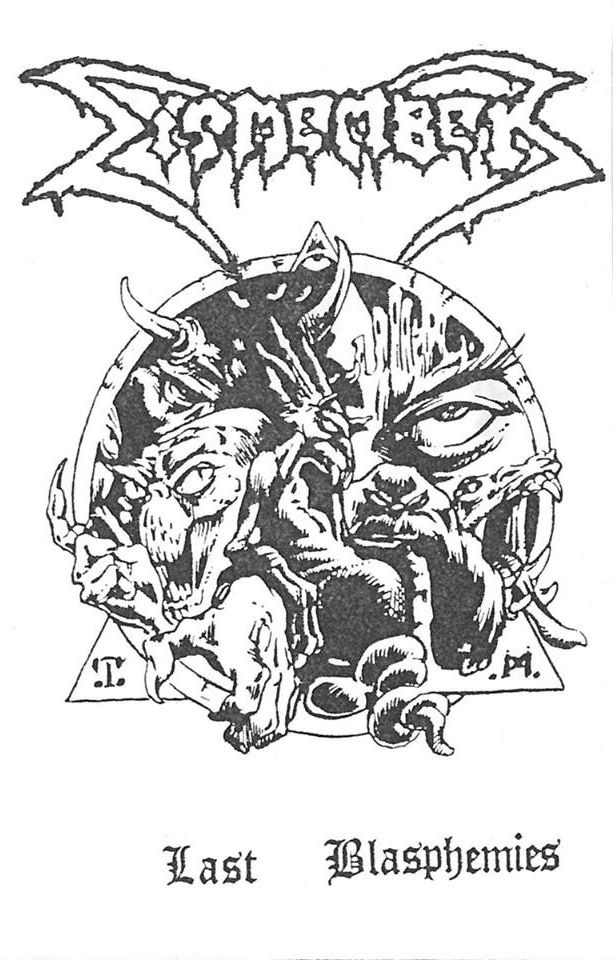
Some tapes aren’t just demos, they’re crime scenes. This is a golden nugget for this weeks Deep Cuts Metals Hidden Gems. Last Blasphemies is one of those. If you held an original copy in ’89, you weren’t just a fan, you were an accomplice to the birth of the Swedish death metal underground.
Dismember were still teenagers when they carved this thing out of the Stockholm frost, armed with HM-2 pedals dimed to hell and riffs that sounded like chainsaws chewing through cathedral walls. The recording is filth, vocals barked from inside a crypt, guitars smothered in static, drums collapsing into the void. And that’s exactly why it hits so hard. This wasn’t about polish. This was about force.
Last Blasphemies mattered because it didn’t travel through record shops or glossy magazines. It moved hand to hand, basement to basement, through the sacred bloodline of the tape-trading circuit. Every dub lost fidelity but gained mythology. If you had it, you knew. You were in the club.
Historically, it’s the missing link. Nihilist had just imploded, Entombed were sharpening their fangs, and here comes Dismember planting a flag that said: death metal is ours now. Within two years they’d drop Like an Everflowing Stream and change the landscape forever. But Last Blasphemies is the fossil, the unpolished artifact that proves the movement was real before the labels came sniffing.
And here’s the kicker: you can stream the whole thing on YouTube now, but back then? This was sacred contraband. A phoenix feather for the faithful. The kind of tape you guarded like scripture and blasted until the ribbon warped.
Why it belongs in Deep Cuts: because influence doesn’t always arrive shrink-wrapped and remastered. Sometimes it’s hissy, half-broken, and more powerful for it. Last Blasphemies isn’t just rare, it’s the sound of a scene still clawing its way out of the grave.
Deep Cut: Megadeth — The Ghost Tape of ’83
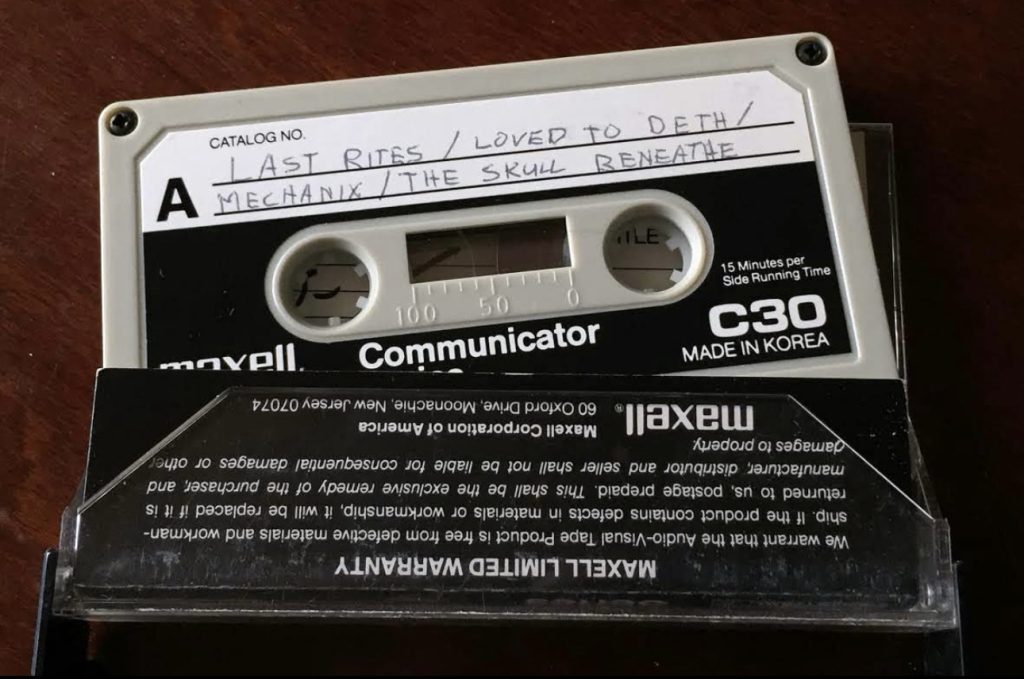
It’s pretty rare to discover something from a well known band for Deep Cuts Metals Hidden Gems but here we are. “While the unreleased 1983 demo remains a ghost tape only whispered about in zines but never leaked, the following year Megadeth cut the Last Rites demo, a raw three-song cassette that finally put Mustaine’s rage to tape. Pictured here is one of those original cassettes, the closest physical relic we have to the myth of ’83.”
Some demos you can find with two clicks. This one? Pure legend. The 1983 Megadeth demo, the first tape Dave Mustaine cut after getting booted from Metallica is one of thrash’s true ghosts. Mentioned in zines, hyped in letters, reviewed in the pages of Whiplash!… but never officially released. If you’ve never heard it, don’t worry, almost nobody has.
Lostmediawiki has a page for this demo which includes a photo of said review. As per the biography for Megadeth on Encyclopaedia Metallum: The Metal Archives.
What was on it?
The tape reportedly included “No Time,” “Self Destruct,” “Hair Pin Trigger,” “Speak No Evil,” “Eye for Eye,” and “Heaven Knows.” For the historians in the back row:
No Time mutated into “Burnt Offerings” → “Set the World Afire” (eventually opening 1988’s So Far, So Good… So What!).
Speak No Evil evolved into “Looking Down the Cross” on Killing Is My Business… (1985).
The others — Hair Pin Trigger, Heaven Knows, Eye for Eye — are still ghosts, never officially resurfacing.
That’s the beauty of it: this was Mustaine in raw revenge mode, still shaping the arsenal. It’s proof that Megadeth was born meaner, heavier, and more intricate than Metallica could have expected.
Can you hear it?
Here’s the rub: the ’83 demo itself has never leaked widely. If you find someone who claims they’ve got a clean copy, they’re probably clutching a hissy bootleg dub or blowing smoke. But the DNA survives. You can spin the 1984 “Last Rites” demo and hear the fury tightening into shape:
“Last Rites / Loved to Deth”
“Mechanix”
“The Skull Beneath the Skin”
That tape is real, it circulates, and it’s brutal. The closest you’ll get to the firestorm that started in ’83.
Why it matters
Because every empire starts with a sketch. The ghost demo of ’83 is Mustaine’s manifesto on cassette. An unheard scream that still echoes through thrash history. The fact you can’t stream it only makes it more dangerous.
Deep Cuts: Possessed — “Death Metal” (1984 Demo)
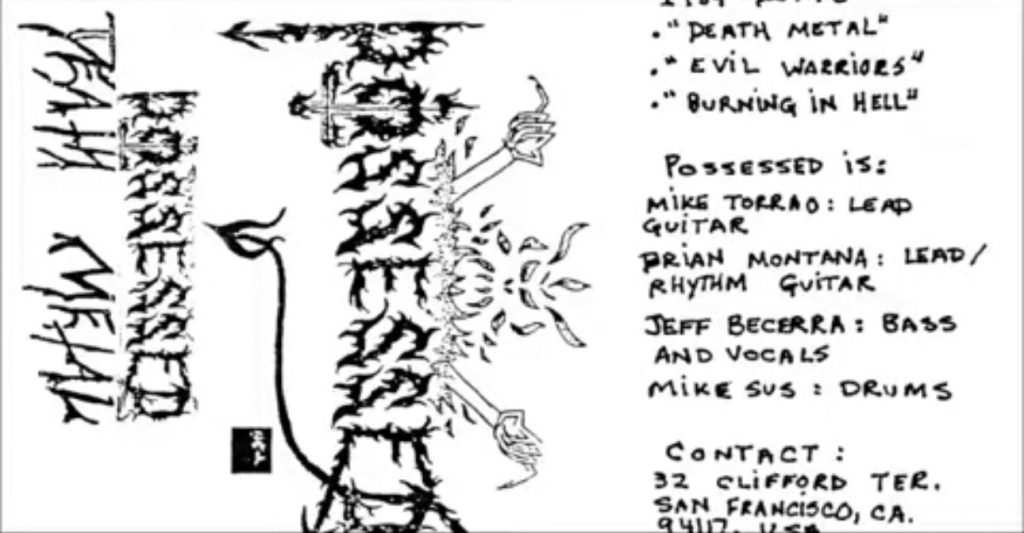
Sometimes a demo doesn’t just hint at greatness, it names an entire genre. Possessed’s 1984 “Death Metal” demo is that artifact. Traded hand-to-hand in the tape underground, this was the moment Jeff Becerra and crew planted the flag: death metal wasn’t just a mood, it was a manifesto.
The version here is nastier than the studio cut on Seven Churches. Dirt-caked guitars, a frantic low-budget recording, and Becerra’s guttural snarl clawing through the hiss. It’s proto-death in its most unpolished form, the very reason so many kids in garages thought, we can do this too, but louder and uglier.
The fact that one cassette demo could set off a chain reaction leading to an entire global genre is wild. Without this tape, there’s no Morbid Angel, no Obituary, no Cannibal Corpse in the form we know them. It’s not just a deep cut, it’s a cornerstone, raw, imperfect, but immortal.
Deep Cuts: Metal’s Hidden Gems aren’t just songs, they’re proof. Proof that the underground never stops mutating, that the good shit is always hiding one layer deeper than the algorithm feed. The demos, the shelved tracks, the hissy cassettes and half-broken riffs, they remind us that metal is still dangerous, still human, still born in sweat and failure before it ever gets polished for prime time. Every one of these songs is a scar, a secret handshake, a whisper from the basement. That’s why we keep digging. Because the surface is for everyone. The cuts underneath? Those belong to us.
If you want more discovery, dive into our latest Seven Deadly Songs for the week’s freshest riffs, or head over to our album reviews for deep dives into today’s releases. And go here if you missed the last edition of Deep Cuts: Metal’s Hidden Gems.
FAQ – Deep Cuts: Metals Hidden Gems
Q: What is Metal Lair’s Deep Cuts: Metal’s Hidden Gems series?
A: It’s a weekly feature uncovering forgotten demos, overlooked tracks, and underground metal relics. We highlight songs and bands that shaped heavy music but slipped through the cracks.
Q: Which bands are featured in this week’s Deep Cuts?
A: This edition includes Nightfall, Maniac Spider Trash, Exhorder, System Of A Down, Limp Bizkit, Trivium, Dismember, Nihilist, Megadeth and Possessed.
Q: Why focus on demos and obscure tracks instead of albums?
A: Demos and deep cuts often capture raw energy and pivotal moments in a band’s evolution. They offer insight into how metal scenes grew outside the mainstream spotlight.
Q: Where can I listen to these hidden gems?
A: Many of the featured tracks are preserved on YouTube, Discogs, Metal Archives, or official reissues through varius record labels like Season of Mist.
About The Author
Lucien Drake is the voice behind Deep Cuts: Metal’s Hidden Gems at Metal Lairdigging up the rare riffs, lost demos, and overlooked tracks that prove the underground always runs deeper.